Answering the demand for high-flow belt-drive pressure washers, this guide highlights top options that deliver around 5 GPM for quicker, deeper cleaning. These models are suitable for contractors, fleet yards, and serious DIY enthusiasts who need reliable power with longer pump life. Below you’ll find five belt-drive choices chosen for their 5 GPM capability, durability, and maintenance-friendly design. A quick buyer’s table is provided to compare core specs at a glance.
| Product | Max PSI | Flow | |
|---|---|---|---|
| CANPUMP Belt Drive High Flow Pressure Washer | 3600 | 5 GPM | Industrial/commercial cleaning with a heavy-duty triplex pump |
| Canpump CE 3650 SP | 3600 | 5 GPM | High-use environments needing extended bypass and heat protection |
| NorthStar Easy Bolt-On Pressure Washer Pump (A1572091) | 5000 | 5.0 GPM | Preplumbed, ready-to-install pump for belt-drive systems |
| NorthStar Gas Cold Water Pressure Washer (Model #1571493) | 5000 | 5.0 GPM | Rugged belt-drive system for demanding outdoor use |
| Simpson PS4240 PowerShot Gas Pressure Washer | 4200 | 4.0 GPM | Contractor-grade cleaning with a Honda GX390 engine |
CANPUMP Belt Drive High Flow Pressure Washer 3600 PSI, 5 GPM

The CANPUMP unit uses a heavy-duty triplex pump with a 13 HP Loncin engine to deliver 3600 PSI at 5 GPM. It is belt-driven to reduce wear and extend service life. A detachable unloader valve allows easier maintenance. Best for industrial or commercial cleaning in outdoor spaces, parking decks, and large concrete surfaces. Caution: Freight shipping is common for this kind of equipment, and a suitable installation area is needed for setup.
Who it’s best for: Contractors and facility maintenance teams needing high flow and durable components for frequent use. Why selected: It combines high flow with a reliable belt-drive setup and serviceable parts, enabling longer pump life under continuous operation.
Canpump CE 3650 SP: 3600 psi @ 5 US gpm

This commercial-grade Canpump CE 3650 SP features an Italian-made external unloader with extended bypass for improved heat dissipation. Its 24 mm solid shaft and 18 mm triplex plungers offer durable operation and efficient performance. It is compatible with 10 hp belt-drive gasoline engines and hollow-shaft electric motors with 24 mm shafts. Best for: steady, high-demand cleaning tasks where longevity and heat management matter. Caution: Not all replacement parts are universal—verify engine compatibility before installation.
NorthStar Easy Bolt-On Pressure Washer Pump – 4000 PSI, 3.5 GPM
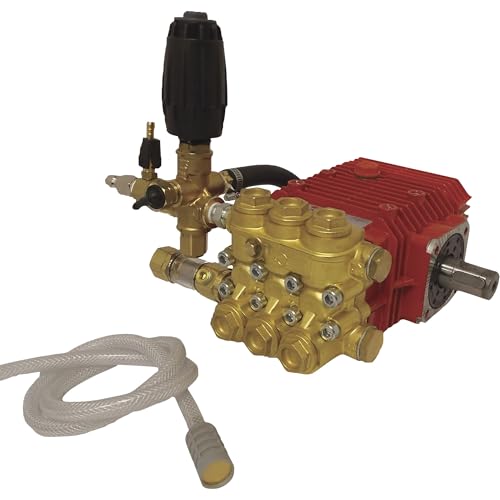
NorthStar’s Easy Bolt-On pump line is designed for rapid installation on belt-drive systems, delivering 3.5–4 GPM in some configurations with strong durability. Best for: projects where standard 5 GPM is not strictly required but robust, quick-install pump replacement is valuable. Caution: This specific model sits slightly below 5 GPM, so verify flow needs for your application.
NorthStar Easy Bolt-On Pressure Washer Pump – 5000 PSI, 5.0 GPM

This NorthStar Easy Bolt-On pump is engineered for belt-drive systems with a 24 mm shaft and preplumbed compatibility. It supports up to 5.0 GPM at 5000 PSI, making it well-suited for heavy-duty residential, commercial, or light industrial cleaning. Best for: quick upgrades or replacements to achieve a higher flow with a proven belt-drive design. Caution: Ensure your engine and mounting match the pump’s dimensions and shaft size.
NorthStar Gas Cold Water Pressure Washer (5000 PSI, 5.0 GPM)

Equipped with a Honda GX690 engine and electric start (battery not included), this NorthStar model provides smooth operation with a belt-drive triplex plunger pump. It emphasizes durability with a rugged full roll cage design and a 1 3/8″ steel tube frame. Best for: outdoor cleaning tasks that require reliable, high-flow performance and rugged construction. Caution: Battery is not included; power startup requires an additional battery purchase.
Buying Guide: Key Considerations For 5 GPM Belt-Drive Units
- Flow and pressure match: Ensure the 5 GPM flow aligns with your cleaning tasks and surfaces. Higher GPM helps with speed, while PSI determines stain removal power.
- Pump type and materials: Triplex plungers offer durability and smoother operation; look for solid shafts and high-quality materials for long life.
- Engine and power: Gasoline engines with electric start are common for belt-drive units. Confirm horsepower and torque to support 5 GPM operation.
- Unloader design and heat management: An external or extended bypass unloader improves heat dissipation during idle or bypass modes, extending pump life.
- Maintenance access: Quick connections, detachable unloaders, and serviceable components reduce downtime during maintenance.
- Compatibility: Check shaft size (commonly 24 mm) and mounting compatibility with your existing belt-drive system.
- Portability vs. fixed installation: Some units are freight-shipped or heavy; plan for transport and setup in your workspace.
- Surface compatibility: Consider non-marring hoses and fittings to protect delicate surfaces during cleaning.
Frequently Asked Questions
- What is a belt-drive pressure washer?
A belt-drive pressure washer uses a belt to transfer engine power to the pump, typically reducing noise and wear, while offering longer pump life for higher-flow tasks.
- Why choose 5 GPM specifically?
Five gallons per minute enables faster cleaning on large areas and reduces total cleaning time, especially on concrete, siding, and heavy grime.
- What should I consider when choosing an unloader?
An extended bypass or external unloader helps keep the pump cooler during idle cycles and protects seals from overheating.
- Is a 5 GPM unit suitable for residential use?
Yes, for large driveways, decks, and outdoor surfaces, a 5 GPM belt-drive unit can speed up jobs, but ensure you have adequate space and appropriate hoses.
- Do I need professional installation?
Some models are ready to connect to standard engines, but verify engine compatibility, shaft size, and mounting requirements before installation.
- Are all 5 GPM belt-drive washers legal for all states?
Most are, but always check local regulations regarding fuel-burning equipment and emissions, especially for formal job sites.
Add a Comment