Finding a reliable 48 inch hydraulic cylinder helps power heavy lifting, pressing, and extending tasks across workshops and job sites. This guide highlights five top options, detailing bore size, stroke, rated pressure, and construction. Each product is evaluated for durability, compatibility, and ease of integration with standard hydraulic systems.
| Product | Bore | Stroke | Rated PSI | Notes |
|---|---|---|---|---|
| WEN TR3048 | 3 in. | 48 in. | 2500 | Tie rod, double-acting |
| Magister Hydraulics 2 in. Bore | 2 in. | 48 in. | 3500 | Cross tube, welded |
| Magister Hydraulics 2.5 in. Bore | 2.5 in. | 48 in. | 3500 | Cross tube, welded |
| CWA Hydraulics 3.5 in. Bore | 3.5 in. | 48 in. | 2500 | Tie rod, SAE 8 |
| CWA Hydraulics 2.5 in. Bore | 2.5 in. | 48 in. | 2500 | Tie rod, SAE 8 |
WEN TR3048 48-Inch Tie Rod Cylinder
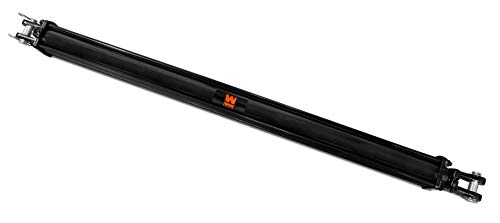
The WEN TR3048 is a double-acting steel-welded cylinder designed to reach up to 2500 PSI. It features a 3-inch bore, a 48-inch stroke, and a 1.5-inch rod diameter. The 1/2-inch NPT port enables straightforward connections to standard hydraulic hoses, supporting a range of industrial and agricultural tasks that require extended reach and consistent force.
Magister Hydraulics 2-Inch Bore, 48-Inch Stroke

Magister Hydraulics presents a robust cross-tube cylinder rated at 3500 PSI. Its 2-inch bore (outer diameter 2.38″), 48-inch stroke, and 1.25-inch rod diameter deliver substantial power with a compact cross-tube design. It is marketed as manufactured by Magister, offering a welded construction and SAE 6 ports (O-ring boss) for reliable connections in demanding environments.
Magister Hydraulics 2.5-Inch Bore, 48-Inch Stroke
This 2.5-inch bore Magister Hydraulics cylinder uses a welded cross-tube design and supports up to 3500 PSI. It features a 48-inch stroke, 1.5-inch rod diameter, and SAE 8 ports. The manufacturer emphasizes being the primary producer, with a high load rating (5,700 pounds) and a sturdy build intended for heavy-duty applications.
CWA Hydraulics TR Tie Rod 3.5-Inch Bore

CWA Hydraulics offers a 3.5-inch bore, 48-inch stroke tie rod cylinder with a 1.5-inch rod and a 2500 PSI rating. Ports include SAE 8 and 1/2 NPT, enabling flexible hose and fitting choices. The larger bore provides greater pushing force, suitable for heavy lifting and pressing tasks where space permits.
CWA Hydraulics 2.5-Inch Bore, 48-Inch Stroke
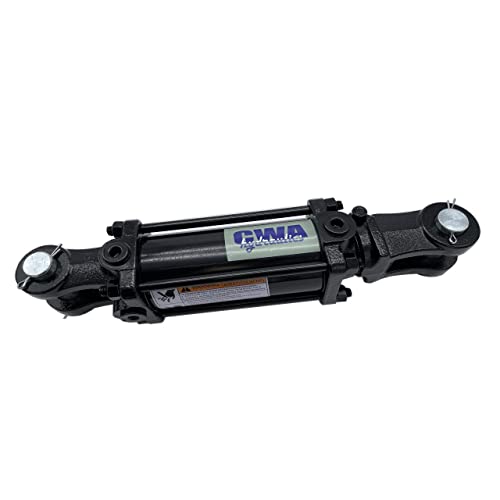
This 2.5-inch bore CWA Hydraulics tie rod cylinder features a 48-inch stroke and 1/4-inch rod diameter. With SAE 8 ports and a 2500 PSI rating, it is designed for consistent performance in demanding applications, including long-extension tasks and tight-fitting hydraulic setups.
Magister Hydraulics 2-Inch Bore, 40-Inch Stroke
Note: This Magister option features a 40-inch stroke, not 48 inches. It serves as a relevant alternative for installations where space constraints or less travel are acceptable, maintaining a 3500 PSI rating and a welded cross-tube design for strength and durability.
Buying Guide: 48-Inch Cylinder Purchase Considerations
- Bore size and stroke length: Larger bores deliver more force; longer strokes provide greater reach. Match both to your load requirements and available space.
- Port type and mounting: SAE ports and NPT connections influence hose compatibility. Tie-rod vs. cross-tube designs affect mounting options and rigidity in dynamic loads.
- Rated PSI and load capacity: Ensure the cylinder’s PSI rating aligns with your hydraulic system and the maximum load you plan to lift or push. Consider rod diameter for bending resistance under load.
- Material and construction: Welded cylinders generally offer strong, compact profiles; cross-tube designs can optimize stiffness for long excursions.
- Durability considerations: Corrosion resistance, seal quality, and environment (outdoor vs. indoor) impact long-term performance and maintenance needs.
- Compatibility: Confirm matching with your hydraulic hose size, fittings, and power unit. Check port sizes (NPT vs SAE) and thread compatibility before purchase.
- Warranty and support: Manufacturer warranties and documented support can reduce downtime and maintenance costs on heavy-duty projects.
- Installation space and alignment: Ensure precise mounting to minimize side loads, which can reduce seal life and performance.
- Cost vs. value: Higher PSI and larger bore generally increase price. Weigh upfront cost against expected service life and maintenance requirements.
- Use-case diversity: Consider whether a single, versatile cylinder or specialized options (tie-rod vs. cross-tube) best matches your primary tasks.
Add a Comment