When selecting a 4 way hydraulic diverter valve, look for robust construction, compatible port sizes, and a center configuration that matches your hydraulic circuit. This guide highlights top 4 way solutions and nearby alternatives, helping buyers choose the right valve for attachment, control simplicity, and uptime. The list serves builders, farmers, and industrial operators who need reliable flow switching between two actuators or multiple circuits.
| Product | Center Type | Nominal Flow | Ports |
|---|---|---|---|
| Hydraulic Rotary Diverter Valve, 4 Way, Closed Center, 32 GPM | Closed Center | 32 GPM | #12 SAE Ports |
| Hydraulic Rotary Diverter Valve, 4 Way, Closed Center, 24 GPM | Closed Center | 24 GPM | #10 SAE Ports |
| Hydraulic Rotary Diverter Valve, 4 Way, Open Center, 24 GPM | Open Center | 24 GPM | #10 SAE Ports |
| GIYI 2 Pack 3 Way Diverter Valve Kit | Three-Way | — | 1/4″ Quick Connects, M14 Hoses |
| Spare Parts Holland – 6 Way Diverter Valve | 6 Way | — | 3/8″ BSPT Ports |
Hydraulic Rotary Diverter Valve, 4 Way, Closed Center, 32 GPM

Best for high-demand hydraulic circuits where two actuators require rapid alternation with minimal pressure drop. This 4 way valve uses a closed center configuration, suitable for systems that rest in a neutral state without load transfer. The nominal 32 GPM flow supports medium to heavy-duty applications and aligns with standard #12 SAE ports for straightforward hose connections.
Who it’s best for: industrial operators and heavy equipment setups needing robust flow control between two actuators. Why selected: high-flow capability and reliable closed-center operation suit demanding work cycles. Limitation: port size and center type may require compatible hydraulic hoses and fittings for your build.
Hydraulic Rotary Diverter Valve, 4 Way, Closed Center, 24 GPM

Better for compact installations requiring solid performance with moderate flow. This 4 way valve uses a closed center arrangement and offers 24 GPM nominal flow with #10 SAE ports. It serves mid-size machinery and attachments where predictable switching between two hydraulic circuits is essential.
Who it’s best for: contractors and equipment operators needing dependable mid-range switching. Why selected: compact footprint and standard porting help simplify integration. Caution: operation at higher pressures near the maximum rating should consider system relief and valve wear over time.
Hydraulic Rotary Diverter Valve, 4 Way, Open Center, 24 GPM
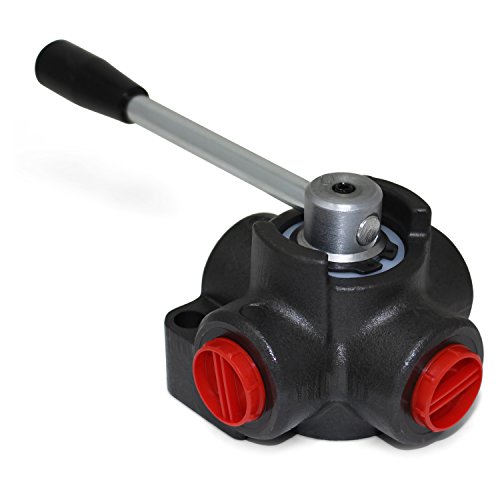
This open center variant is best when the hydraulic system benefits from continuous pressure relief and lower load on the pump when actuators are idle. It delivers 24 GPM and uses #10 SAE ports, enabling straightforward compatibility with common hydraulic hoses.
Who it’s best for: users with open-center circuits or systems prioritizing pump efficiency during idle times. Why selected: open center configuration suits simple, continuous-flow layouts. Caution: open center valves may cause a constant flow path; ensure this matches the system’s design to avoid unintended actuator movement.
GIYI 2 Pack 3 Way Hydraulic Diverter Valves Kit
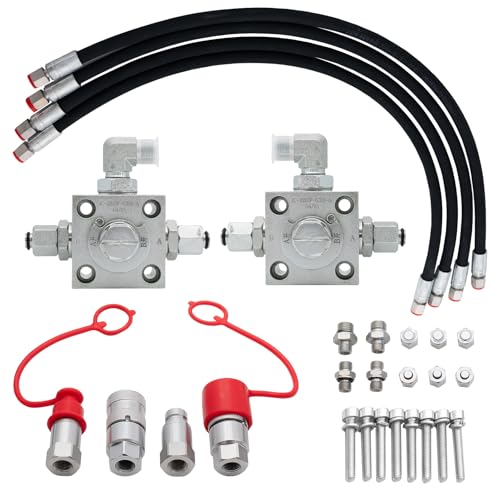
Although primarily a 3 way kit, this option is included for comparing diverter kits that accompany hydraulic attachments for excavators. It provides installation hardware and hoses designed for small excavators, suitable for setups needing a kit-based approach to valve integration.
Who it’s best for: buyers seeking a ready-to-install kit with hoses and connectors for compact machines. Why selected: helps visualize an all-in-one solution approach. Caution: it is not a 4 way valve, so ensure the project truly requires a 3 way routing before choosing.
Spare Parts Holland – 6 Way Diverter Valve

Best for complex multi-actuator systems requiring multiple output paths. This 6 way valve supports dual inputs and four outputs, expanding control beyond a standard 4 way setup. Made with alloy steel and a cataphoresis coating for corrosion resistance, it suits industrial environments where longevity matters.
Who it’s best for: engineers and operators needing expanded routing options beyond four paths. Why selected: robust construction and higher port count provide flexibility in larger hydraulic networks. Caution: installation and circuit design must accommodate six-way routing to avoid miswiring or over-pressurization.
Buying Guide: Key Factors To Consider
- Center configuration: Closed center valves stay neutral when not actuating, while open center valves pass flow through when idle. Match to system pump, relief, and load behavior.
- Flow rating: Ensure nominal flow (GPM) meets actuator requirements without overworking the pump. Factor peak demands and stall conditions.
- Port size and thread type: SAE and BSPT sizes determine hose compatibility. Verify port size matches existing lines or plan adapters.
- Port arrangement and layout: Consider mounting space, hose routing, and potential interference with other components.
- Durability: Look for heavy-duty materials, corrosion protection, and coatings if used in harsh environments.
- Actuator compatibility: Confirm the valve supports the intended actuators, including number of ports and flow paths.
- Maintenance access: Choose valves with straightforward seal replacement and accessible components to minimize downtime.
Frequently Asked Questions
- What is a 4 way hydraulic diverter valve used for?
It redirects hydraulic flow between two actuators or circuits, enabling independent or alternating operation in a single valve body.
- When should I choose closed center vs open center?
Closed center is common for systems that stop flow under load, reducing pump wear. Open center works well for systems that benefit from continuous flow and quicker actuator response when idle.
- Are higher port counts always better?
Not necessarily. Six- or eight-way valves offer more routing options but add complexity and potential leaks. Choose port count to match the required control paths.
- What should I verify before buying a valve?
Check center type, nominal flow, max pressure, port size, mounting options, and compatibility with existing hoses and actuators.
- Can I use a 3 way valve kit for a 4 way project?
Not ideal unless your system only requires three-way routing. For four-way control, select a valve explicitly designed for four paths.
- Do installation kits impact performance?
Yes, proper fittings, hoses, and connectors ensure minimal leaks and correct routing, which preserves efficiency and safety.
Add a Comment