Answering the need for clear, reliable 3″ sight glass visibility, this guide highlights five solid options suited for sanitary, industrial, or process-line use. Ideal buyers include plant engineers seeking sturdy inline viewing ports, technicians requiring easy inspection points, and operations managers needing robust, clamp or threaded connections. Each product section explains who it’s best for, why it was chosen, and a practical limitation to consider. A quick buying guide follows to help compare materials, connections, and operating conditions at a glance.
| Product | Connection Type | Material | Best For |
|---|---|---|---|
| Gloxco CAM-30-SG-PCAL | Cam & Groove In-Line | Polycarbonate | Inline process streams needing quick disconnections |
| Gloxco CAM-30-SGST-PCAL | Cam & Groove In-Line with Strainer | Polycarbonate | Inline sight with filtration for particulates |
| Gloxco SGL-300-8-PCT | Threaded, Male NPT x Male NPT | Polycarbonate | Threaded installations and high-temperature viewing |
| DERNORD In-Line Sight Glass | Tri Clamp End | SUS316 | Sanitary or pharmaceutical-style clean-in-place systems |
| Kuriyama SG300 | Inline, Various | Polycarbonate | General-purpose viewing with high PSI ratings |
Gloxco 3″ In-Line Camlock Polycarbonate Sight Glass Assembly

This 3″ in-line sight glass uses a Cam and Groove connection with an 8″ x 3″ polycarbonate viewing tube and a 3″ aluminum Cam and Groove fitting. It is best for continuous inline processes where quick disassembly is advantageous. Choose this if you prioritize fast maintenance and a lightweight, clear viewing window. A potential limitation is the polycarbonate material, which can scratch and may be less resistant to certain chemicals than metal options.
Gloxco 3″ Polycarbonate Threaded Sight Glass

Designed with male NPT threads on both ends, this 8″ long polycarbonate sight glass is suitable for threaded installations where a strong, clear window is needed. Best for systems that require reliable threaded connections and moderate temperature ranges. It’s a better pick for retrofits or spaces where Cam and Groove hardware isn’t available. A limitation to note is polycarbonate’s sensitivity to certain solvents; chemical compatibility should be confirmed for the application.
DERNORD In-Line Sight Glass With Clamp End
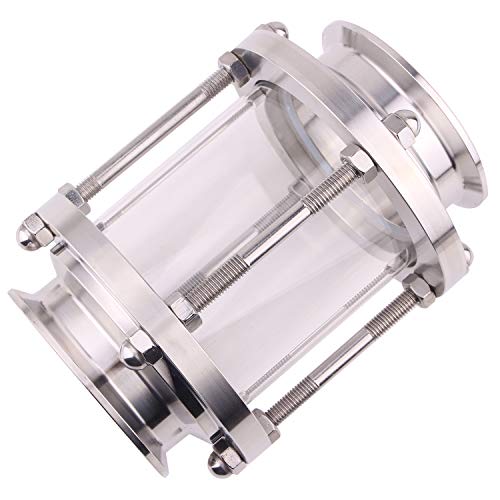
DERNORD offers a 3″ in-line sight glass with a clamp end, built with SUS316 body material and suitable for sanitary or clean-in-place environments. Best for high-temperature, high-pressure sanitary lines in food, dairy, or pharmaceutical settings. It handles up to 120 PSI and 300°F, but clamp fittings require proper alignment to avoid leaks if mis-torquing occurs.
SENFUID Flow Sight Pipe Glass Diopter 3 Inch Tri Clamp

This tri-clamp compatible sight glass uses stainless steel 304 for durability and supports up to 120 PSI and 300°F. Best for sanitary systems requiring a robust, corrosion-resistant window. A potential limitation is the stainless shell’s heavier weight compared with polycarbonate options, which may impact handling during maintenance.
Kuriyama SG300 Sight Glass
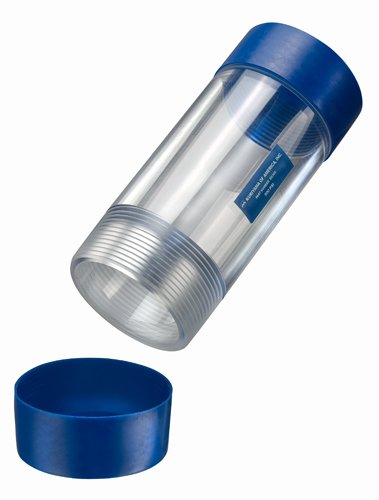
The Kuriyama SG300 offers tough polycarbonate with a wide temperature range (-50 to +185°F) and a high 500 PSI rating. Best for general inline viewing where a balance of clarity and strength is needed. It explicitly cautions against using a wrench on the glass—only tighten the fittings to avoid cracking or cracking under torque.
Buying Guide
What material should I choose?
Polycarbonate sight glasses provide excellent clarity and impact resistance, ideal for general process viewing. Stainless steel (SUS316/304) options are preferred in corrosive environments or sanitary applications where chemical exposure is a concern. Consider chemical compatibility with the process fluid when selecting materials.
What connection type fits my system?
Inline Cam and Groove fittings offer quick disassembly, suited for maintenance-heavy lines. Tri Clamp ends excel in sanitary setups and CIP systems. Threaded NPT connections are common for retrofit work or spaces with fixed piping. Align the connection type with your maintenance workflow and space constraints.
What are the temperature and pressure limits?
Most 3″ sight glasses tolerate up to 120 PSI and temperatures around 300°F, though polycarbonate variants can have lower chemical resistance and wear thick. For high-temperature or high-pressure lines, match the rating to process conditions and include safety margins.
What about installation and handling?
Follow manufacturer guidelines for torque and tightening sequences. Avoid applying twisting force to the glass itself. Cleanliness during installation prevents particulates from scratching or clouding the viewing window.
How to choose for sanitary vs. non-sanitary use?
Sanitary options (SUS316 or 304 stainless components, tri-clamp ends) are designed for clean-in-place environments and are easier to sanitize. Non-sanitary polycarbonate variants are suitable for general industrial viewing where chemical exposure is manageable and cleaning requirements are less stringent.
Maintenance tips
Regularly inspect for scratches, fogging, or cracks in the viewing window. Replace entries showing any signs of compromise. Ensure O-rings and fittings remain secure and free of leaks.
FAQ
- What is a 3″ sight glass used for? It provides a clear viewing window for process fluids in pipelines, enabling quick visual checks of flow, level, and clarity.
- Are polycarbonate sight glasses suitable for high-temperature use? Yes, many are rated for high temperatures, but confirm each product’s specific range and chemical compatibility.
- Can I replace an inline sight glass without stopping the system? Depending on the connection type (Cam & Groove, Tri Clamp, or NPT), some systems allow isolation and replacement with proper safety procedures.
- Which is better for sanitary applications? Stainless steel (SUS316/304) with Tri Clamp ends is preferred for cleanliness and CIP compatibility.
- How do I prevent fogging on the viewing window? Use tempered or anti-fog glass and ensure proper sealing to minimize condensation during operation.
- What maintenance practice helps extend sight glass life? Regular inspection, proper torque, and prompt replacement of any damaged components keep systems safe and transparent.
Add a Comment