This guide highlights top aluminum sheets and plates in or near a 24 by 24 inch footprint, ideal for roofing, crafting, enclosures, and surface protection. The selections cover common alloys, finishes, and thicknesses to fit fabrication needs, welding, and corrosion resistance. Explore five reliable options with technical details to help you pick the right sheet for your project.
Product Overview
The following table summarizes five selected 24 x 24 (or near 24-inch) aluminum sheets and plates, including alloy, thickness, finish, typical uses, and notable features. This snapshot helps compare suitability at a glance.
| Product | Alloy/Finish | Size | Typical Uses | Key Benefit |
|---|---|---|---|---|
| OnlineMetals 5052 Aluminum Sheet | 5052, H32, unpolished mill finish | 24″ x 24″ x 0.025″ | Roofing, HVAC panels, fabrication | Lightweight, easy to cut/form |
| Diamond Plate Aluminum Sheet – 3003 H22 | 3003 H22, diamond tread | 24″ x 120″ (width 24″) x 0.045″ | Wall protection, flooring, trailers | Anti-slip diamond pattern, durable |
| 6061 T651 Aluminum Sheet | 6061-T651 | 12″ x 24″ x 1/8″ | Crafting, machining, weldable parts | High strength, good alloy versatility |
| MorningRo 5052 Aluminum Sheet (18″ x 24″) | 5052, brushed surface | 18″ x 24″ x 1/16″ | Crafts, DIY projects | Corrosion resistant, durable surface |
| Zonon 5052-H32 Aluminum Sheet | 5052-H32 | 36″ x 24″ x 1/8″ | Industrial prototyping, signage | Ready-to-use package includes screws and gloves |
These options reflect a mix of flat sheets and tread plates, with finishes ranging from mill finish to brushed textures, and with thickness choices that influence weight and rigidity. Each product serves different project requirements, from lightweight fabrications to heavy-duty surfaces.
OnlineMetals 5052 Aluminum Sheet (24″ x 24″ x 0.025″)

Made from 5052 aluminum, this sheet features an unpolished mill finish and H32 temper. The 0.025″ thickness yields a lightweight option suitable for roofing skins, enclosures, and DIY panels. It’s straightforward to cut, drill, and bend, supporting precise fabrication work for custom parts and hobby projects. Its 24″ by 24″ footprint aligns well with square-panel designs and compact assemblies.
Diamond Plate Aluminum Sheet – 3003 H22, 24″ Width

This heavy-duty diamond plate uses 3003 H22 aluminum with a 0.045″ thickness, offering robust wear resistance and a textured, anti-slip surface. While the length runs long (24″ width and 120″ length), you can cut to your required dimensions to create durable wall protections, trailer skins, or floor panels. The rugged finish makes it ideal for high-traffic environments and industrial applications where grip and durability matter.
DLDirect 24×48 Diamond Plate Sheet Metal (0.045″)

Plainly rugged, this 0.045″ thick 17GA aluminum sheet offers a durable tread plate with a multicolored anodized finish for added corrosion resistance. It provides a strong anti-slip surface for walkways, ramps, and vehicle interiors, while resisting stains and chemicals. The sheet’s larger 24″ by 48″ size enables wide panel fabrication and efficient material usage in large-scale projects.
Zonon 1/8″ 24″ x 36″ Aluminum Sheet (5052-H32)
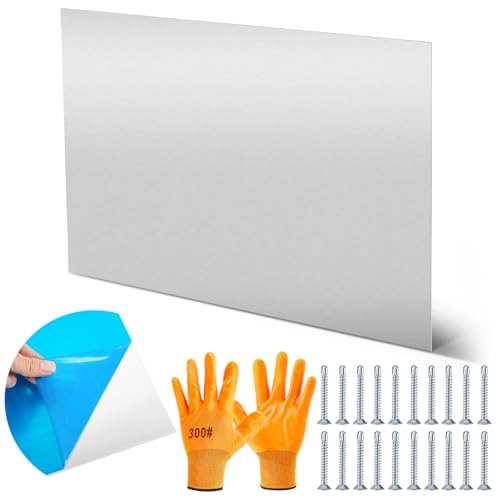
This 1/8″ thick sheet uses 5052-H32 aluminum, known for corrosion resistance and weldability. The 36″ length and 24″ width accommodate larger panels while keeping weight manageable. The package typically includes screws and gloves for immediate use, making it a convenient option for prototyping, signage, and structural panels in both indoor and outdoor projects.
Product 5 Alternatives
In addition to the five primary picks, consider other sheet sizes that align with 24-inch-wide requirements for similar applications. For instance, 24″ wide diamond plates and flat sheets in 0.045″ to 0.125″ thicknesses can be adapted to 24″ x 24″ squares through cutting and finishing. When selecting an alternative, verify alloy compatibility, finishing, and welding suitability for your project to ensure expected performance and longevity.
Buying Guide: Key Considerations For 24 x 24 Aluminum Plates
- Alloy and temper: Choose alloys that align with your project needs. 5052 offers good formability and corrosion resistance for marine and outdoor use; 6061 provides higher strength and weldability for structural panels; 3003 is durable with a distinctive diamond tread for anti-slip surfaces.
- Finish and surface texture: Mill finishes are lightweight and easy to machine; brushed or diamond-plate textures add aesthetic value and safety features for floors and ramps.
- Thickness and weight: Thicker plates (e.g., 0.045″ or 0.125″) provide rigidity and impact resistance but weigh more and require more robust tools for cutting and forming. Thinner sheets are more pliable and easier to handle for DIY builds.
- Dimensions and cutting: When a true 24″ x 24″ panel is not offered, consider how to cut larger sheets to fit precisely, ensuring clean edges and proper burr removal. Confirm tolerance levels for precise fabrication.
- Corrosion resistance: For outdoor or moisture-prone environments, prioritize alloys like 5052 or specially coated plates. If exposure to chemicals is a concern, verify chemical resistance in the product specs.
- Welding and fabrication: Some alloys weld more readily than others; ensure your project uses compatible welding techniques and filler materials. Protective films can simplify handling before fabrication.
- Accessories and packaging: Some listings include screws, gloves, or protective film, which can streamline initial assembly and avoid additional purchases.
- Budget and availability: Larger sizes may be more economical per square foot but require cutting tools and storage space. Compare multiple suppliers for lead times and shipping options.
When selecting a 24 x 24 aluminum plate, align material characteristics with the intended use, whether it is for weather resistance, load-bearing components, or surface protection. The right combination of alloy, thickness, and finish will influence performance, fabrication ease, and overall project success.
Add a Comment