Answer: For a reliable 16 inch V-belt pulley setup, choose configurations with standard belt sections and durable cast iron bodies. The top picks below are best for general industrial, DIY, and light-production drives. The buyers who benefit most are maintenance pros replacing worn pulleys, small shop builders, and engineers seeking compatible, widely available parts. Below is a quick reference table of the five chosen pulleys followed by detailed sections.
| Product | Belt Section | OD (approx) | Bushing Type |
|---|---|---|---|
| TB Woods BK190 FHP QT | B | 18.75″ | QT Bushing |
| Martin 1 B 160 SK | A/B | 16.35″ | SK Bushing |
| Martin 1 C 160 SF | C | 16.4″ | SF Bushing |
| Martin 10 5V 1600 TB | 5V | 16″ | TB Narrow |
| tooloflife Cast Iron V Belt Pulley | V Belt | 16″ | Cast Iron |
TB Woods BK190 FHP QT Bushed V-Belt Sheave
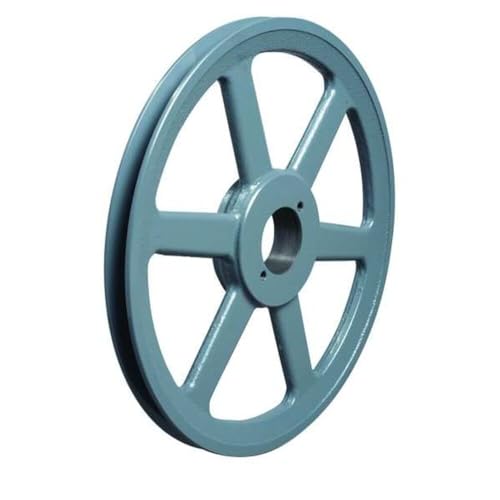
This 18.75″ diameter V-belt sheave is designed for a classical B belt profile with a QT bushing requirement. Cast iron construction offers wear resistance and galling protection, suitable for widely used drive designs. Best for: maintenance teams replacing older B-section pulleys in standard machinery.
Why selected: It matches the 16 inch drive system concept with compatibility for common B belts and robust iron construction. Caution: Requires QT bushing installation; ensure correct shaft size and bushing compatibility before purchase.
Martin 1 B 160 SK V-Belt Drive Sheave

This 16.35″ OD sheave serves A/B belt profiles with the SK bushing. Class 30 gray cast iron provides wear resistance, making it suitable for legacy drive systems and common industrial belts. Best for: users upgrading or replacing a similar A/B belt section pulley’s profile in existing drives.
Why selected: Combines familiar belt section with a durable gray cast iron body and a standard SK bushing, enabling straightforward compatibility. Caution: Check pitch diameter and mounting alignment to ensure fit with your shaft and belt arrangement.
Martin 1 C 160 SF V-Belt Drive Sheave
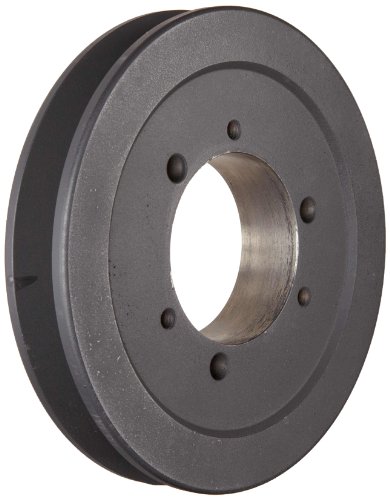
With a 16.4″ OD and C-belt profile, this gray cast iron sheave is designed for C belts or cross sections. SF bushing type supports reliable mounting in standard drives. Best for: applications needing a robust C-section pulley with a slightly larger diameter than some alternatives.
Why selected: The C-section option expands compatibility for users running C belts in older equipment. Caution: Ensure the 16″ pitch diameter aligns with your belt routing and shaft spacing.
Martin 10 5V 1600 TB Narrow V-Belt Drive Sheave

This 16″ OD pulley is designed for narrow 5V belts with 10 grooves, featuring a taper TB bushing for secure mounting. Class 30 gray cast iron provides durability and compatibility with high-efficiency drives. Best for: drives needing higher belt contact and efficiency with a narrow belt profile.
Why selected: The 5V/Narrow belt combination offers improved efficiency in compact designs. Caution: Confirm shaft bore and mounting clearance since a taper bushing is required for proper fit.
tooloflife Cast Iron V Belt Pulley

Heavy-duty cast iron V belt pulley intended for industrial and DIY power transmission. Optimized V-groove design improves belt contact, reducing slip and boosting transmission efficiency. Best for: general power transmission tasks requiring a robust, affordable 16-inch V-belt pulley.
Why selected: Cast iron offers a balance of strength and wear resistance for long service life in varied environments. Caution: Ensure the pulley groove matches your belt width and the shaft bore length suffices for secure mounting.
Buying Guide — Key Considerations For 16 Inch V-Belt Pulleys
- What belt section does your drive need? Common options include A, B, C, and 5V. Alignment with your existing belt is crucial for efficiency and longevity.
- What is the bore and bushing requirement? Some pulleys use QT, SK, or TB bushings. Verify shaft diameter, set-screw availability, and bushing fit before ordering.
- Material and finish matter. Cast iron pulleys offer wear resistance; aluminum options provide lighter weight but different strength characteristics. Choose based on load, vibration, and temperature.
- Diameter accuracy and pitch diameter. Ensure the OD and pitch diameter align with your belt length and pulley spacing to avoid belt misalignment or rubbing.
- Mounting and compatibility. Confirm mating hubs, shafts, and possible need for adapters or spacers to fit your current drive system.
Frequently Asked Questions
- What is the difference between B, C, and 5V belt pulleys? B and C are standard V-belt sections with broader profiles; 5V pulleys suit narrow, higher-efficiency belts. Choose based on belt type and drive requirements.
- Do pulleys require a specific bushing type? Yes. Matching the correct bushing (QT, SK, TB, etc.) to the shaft and pulley is essential for secure mounting and proper alignment.
- Can I use any 16 inch pulley with my existing motor shaft? Not always. Check bore size, keyway presence, and mounting compatibility to avoid fit issues.
- What material should I prefer for harsh environments? Cast iron is durable and wear-resistant; aluminum is lighter and suited for lower-load or temperature-sensitive applications.
- Is straight-forward alignment important? Yes. Proper belt tension and precise pulley alignment reduce belt wear and extend system life.
- How do I know the right 16 inch pulley for my system? Consider belt section compatibility, bore/bushing type, OD, and the spacing of pulleys in your drive train.
Add a Comment