For contractors, property managers, and hobbyists tackling major water-transfer tasks, a pump around the 100 GPM mark can dramatically reduce project time. The following five pumps offer strong performance, solid construction, and practical features for high-volume water handling. Each option is tailored for different use cases—from permanent installations to portable emergency pumping—so you can choose the best fit for your needs.
| Product | Best For | Estimated Use |
|---|---|---|
| Pentair PCD-1000 Submersible Pump | Permanent or semi-permanent setup | Versatile, corrosion-resistant operation with thermal protection |
| Tsurumi NK2-15 Submersible Pump | Heavy-duty dewatering | High head and solids handling for challenging sites |
| FOTING 1.5HP Sump Pump | Large drainage tasks | High flow with automatic control and debris tolerance |
| TecHome Water Transfer Pump | Portable transfer and lighter tasks | Compact, non-submersible, easy to move |
| WASSERMANN 12V RV Water Pump (4.0 GPM) | Mobile water supply for RVs | Low-flow, high reliability for on-the-go use |
Pentair PCD-1000 Submersible Pump
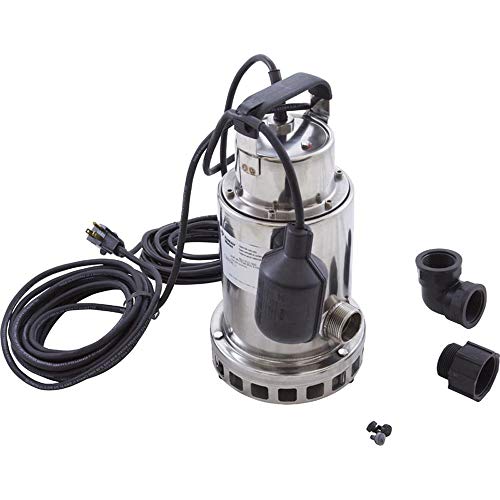
The Pentair PCD-1000 is a submersible pump built for reliability with automatic thermal overload protection. It features a clog-resistant cast stainless steel impeller and shaft for corrosion resistance and extended service life. The unit operates across a wide temperature range from 32°F to 130°F, enabling use in varied environments. Best for: installations where continuous duty is required in wet or damp locations and where a robust stainless steel design is valued. Limitation: performance data like exact GPM under different heads isn’t listed here, so verify site requirements before committing to this model.
Tsurumi NK2-15 Submersible Pump
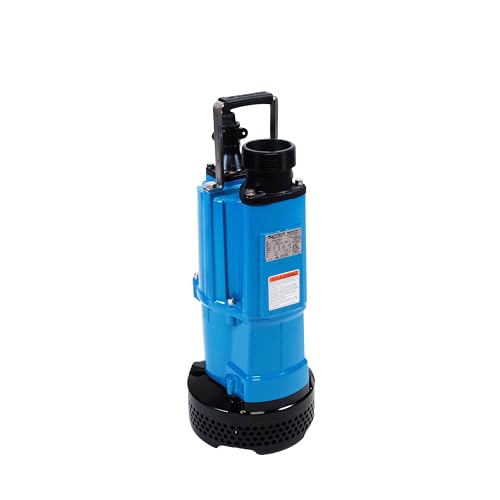
The NK2-15 is designed for demanding dewatering tasks with the ability to handle solids up to 0.334 inches and deliver up to 100 GPM. It offers a maximum head of 69 feet, which helps with challenging water removal, and includes a 32-foot cord with an internal terminal board for voltage flexibility (110V–220V). Best for: construction sites, mining operations, and disaster remediation where high head and reliability are critical. Caution: while it supports high head, ensure the solids size remains within the 0.334 inches limit to avoid clogging.
FOTING 1.5HP Sump Pump

The FOTING sump pump combines 1.5HP power with automatic and manual operation modes via a float switch. It claims up to 5000 GPH (approximately 82 GPM) with a 33-foot lift, and can handle solids up to 1.38 inches. Best for: large basement or pool-area drainage where a high flow and solid handling are useful. Limitation: GPM metrics can vary with head; verify whether your setup requires higher flow at a given lift height.
TecHome Water Transfer Pump

The TecHome transfer pump runs on 115V with a 1/10 HP motor and a maximum flow of 330 GPH (about 5.5 GPM). It includes suction and discharge hoses, and an impeller replacement kit. Best for: small-scale water transfers and portable needs where a non-submersible design reduces risk of motor exposure. Caution: not a submersible unit; avoid water immersion or wetting the motor and housing.
WASSERMANN RV Pump (4.0 GPM)

This 12V RV water pump delivers up to 4 GPM at about 45 PSI, designed for mobile use with a complete kit that includes hoses, debris filter, and manual. Best for: RVs or campers needing reliable basic water pressure on the road. Limitation: far below the 100 GPM mark, but its portability and 12V operation make it a practical companion for domestic water supply on the move.
Buying Guide
Key considerations help you pick the right pump for 100 GPM-scale tasks. Head, flow, and duty cycle determine suitability for dewatering, drainage, or water transfer. Submersible pumps are ideal where immersion is constant, while non-submersible models excel in dry installations with external power access. Material and impeller design affect corrosion resistance and clogging. Consider power source, electrical requirements, and whether you need automatic float controls for unattended operation. For high-head needs, verify the maximum lift (head) at your required flow rate. If you anticipate solids, select a pump with a robust impeller and strainer. Always match capacity to the worst-case head in your site plan to prevent underperforming pumps.
Frequently Asked Questions
- What does GPM mean for pumps? GPM stands for gallons per minute and indicates how much water the pump can move under specific conditions, often influenced by head (height) and efficiency.
- Is a submersible pump always better for dewatering? Submersible pumps keep water away from the motor, which helps when the pump sits in water for extended periods, but installation needs and site conditions determine the best choice.
- Can a pump rated at 100 GPM handle higher head? Yes, but the actual GPM will typically drop as head increases; best to review the pump’s performance curve for your exact head requirements.
- What maintenance helps extend pump life? Regularly clean intakes, inspect seals, replace worn impellers, and ensure cooling pathways are clear to prevent overheating.
- What should I consider for solids handling? Look for impeller materials (cast stainless steel is common) and a solid-size tolerance that matches the typical debris on the worksite.
- Are portable pumps useful for emergency water removal? Yes, portable units with adequate flow and a light footprint can rapidly respond to flooding or leaks.
Add a Comment