Finding the right 1″ trash pump depends on your typical job: farm irrigation, pool maintenance, drainage, or construction-site cleanups. This guide highlights five reliable 1″ gas-powered or electric trash pumps that balance power, portability, and durability. Each option is suited for a specific buyer—farms and landscapers may prioritize fuel efficiency and flow, while homeowners want ease of use and quick setup.
| Product | Best For | Why It Stands Out |
|---|---|---|
| Farmers & Gardeners | Strong 4-stroke engine with up to 36 GPM flow; 28 lb weight for portability. | |
| Irrigation & Drainage Pros | Efficient 1.2KW engine with high suction and long head for distant pumping. | |
| Budget Projects | Durable construction and solid flow with a lightweight design. | |
| Pool & Farm Water Changes | Good suction head and large oil capacity for longer operation. | |
| Rugged Use | High flow, strong head, and robust metal construction. |
XtremepowerUS 1″ Gas Water Pump

Best for: Gardeners and small farms needing quick water transfer and irrigation. This pump features a 79cc 4-stroke engine capable of up to 36 GPM flow, which speeds up watering and transfer tasks across large areas. Its 1″ inlet and outlet measurements simplify hose compatibility and setup. A convenient carry handle aids portability for moving between jobs.
Why selected: It combines high flow with relatively light weight (under 28 lbs), making it a practical choice when you require mobility without sacrificing capacity. The 4-stroke design is generally more fuel-efficient and reliable than two-stroke units for continuous use.
Caution: As a gasoline engine pump, ensure proper ventilation during operation and follow starter guidelines to avoid engine damage from improper starting.
JLYNOWPT 1″ Trash Pump
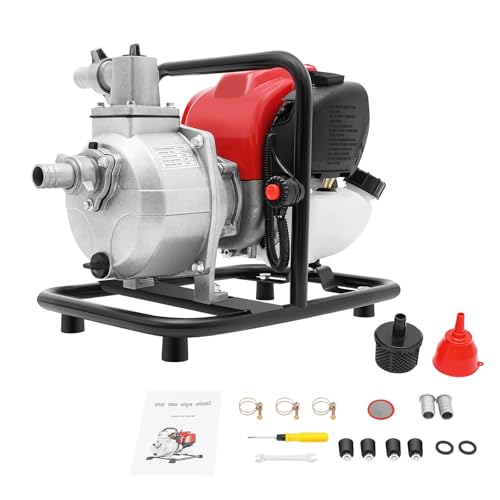
Best for: Contractors and large-scale irrigation projects that require sustained pumping with minimal refueling. The unit reports a 1.2KW engine with a 38cc displacement, delivering up to 35.66 gal/min. Its long suction head (26.25 ft) and total head (98.43 ft) support distant pumping tasks, reducing manual hauling.
Why selected: The combination of fuel efficiency and high head makes this pump capable of long pumping runs between refills, ideal when pumping from distant water sources or large ponds.
Caution: The unit’s higher RPM operation can be noisier; consider ear protection and secure mounting on stable ground.
Wtobybt 38CC 4-Stroke Water Pump

Best for: Budget-conscious buyers who still need solid performance for irrigation and drainage. The pump uses a 1.2KW engine with 38cc displacement, delivering a flow up to 35.66 gal/min, and it features durable carbon steel and aluminum alloy construction for resilience in outdoor use.
Why selected: The listed materials and compact design balance durability with portability, making it a practical option for homeowners and small farms with occasional pumping tasks.
Caution: Check fuel compatibility and lubricants to maintain engine longevity over time.
NuBusno 1″ Semi Trash Pump

Best for: Farmed irrigation and pool maintenance where a balance of flow and distance matters. This unit provides up to 8-10 m³/h flow and a maximum head of 20 meters, helping you manage longer pumping runs with a compact 1″ design. It also notes an aluminum alloy body for efficiency and heat dissipation.
Why selected: A good choice when you need reliable transfer over moderate distances and want a lighter unit than large-duty models, without sacrificing head pressure.
Caution: Max head is distance-limited; verify your field requirements to avoid underperforming on long runs.
Gosangom 4-Stroke Gas Water Pump
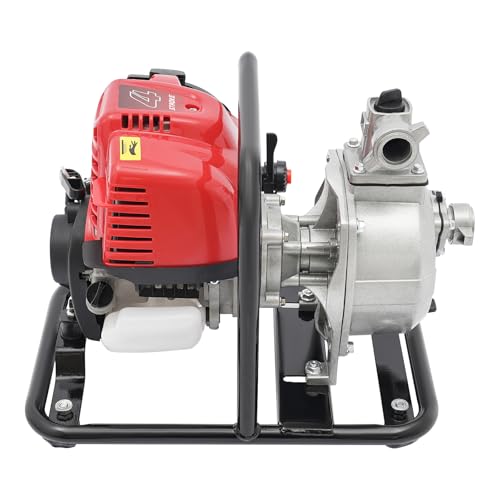
Best for: Heavy-duty irrigation and demanding water transfer tasks where a robust metal build matters. The pump delivers a high maximum flow of 135 L/min (approximately 35.66 gal/min) and a total head of about 30 m (98.43 ft). Its carbon steel and aluminum alloy construction supports durability in tough environments.
Why selected: The impressive flow and head make it a strong choice for larger irrigation schemes, drainage at construction sites, or pooling systems where power and reliability are critical.
Caution: Heavier unit may be less portable; consider worksite layout and transportation requirements before choosing.
Buying Guide: How To Choose The Right 1″ Trash Pump
- Engine type and fuel efficiency: Gas-powered vs electric. Gas engines offer mobility and high flow, but require fueling and ventilation.
- Flow rate and head: Match gallons per minute (or cubic meters per hour) and suction/head lift to your water source distance and watering/drainage needs.
- Durability and construction: Alloy or steel builds improve longevity in outdoor or gritty environments; inspect seals and base stability for long-term use.
- Portability: Weight, handle design, and mounting options affect how easily you move between sites.
- Inlet/outlet sizing: Ensure 1″ fittings match standard hoses and fittings in your setup for minimal adapters.
- Maintenance considerations: Look for accessible filters, carburetor access, and oil capacity to support easier servicing.
- Noise and vibration: Some models have robust bases and anti-vibration features; consider working hours and surroundings where loud operation matters.
Frequently Asked Questions
- What is a 1″ trash pump best used for?
They are designed for transferring water with small debris, suitable for irrigation, pools, basements, and job sites requiring moderate flow and durability.
- Should I choose a gas or electric 1″ trash pump?
Gas pumps offer mobility and higher flow; electric models are quieter and simpler for continuous use in fixed locations.
- What head and suction height should I look for?
Target a head and suction lift that match the farthest water source. Higher numbers enable distant pumping but may increase size and weight.
- How important is pump material?
Metal bodies (steel or aluminum) resist wear and heat better in dusty or outdoor environments, while plastics save weight but may wear faster.
- Can these pumps handle dirty water?
Yes, most 1″ trash pumps are designed for debris, but check the debris size tolerance and use a proper filter or screen to avoid clogs.
- What maintenance helps longevity?
Regularly check oil (for gas models), clean filters, inspect seals, and store in a dry area to prevent corrosion and gasket damage.
Add a Comment