If you’re selecting 1.5 inch DOM tubing, you need durable, precisely sized steel tubes that are easy to weld and form. This guide highlights top options for American buyers, focusing on DOM (drawn-over-mandrel) steel tubes with a 1-1/2″ outer diameter. Each pick serves different project types—auto fabrication, frame building, or structural supports—so you can choose based on wall thickness, length, and handling. The list below showcases five practical choices with clear pros and limits to help you decide quickly.
Summary of selected products
| Product | Brand | Size | Wall | Length |
|---|---|---|---|---|
| Allstar Performance Round DOM Steel Tubing | Allstar Performance | 1-1/2 in OD | .095 in | 4 ft |
| 2″ DOM Seamless Round Tube (1-1/2″ ID) | Generic | 1-1/2 in ID | — | Custom length available |
| 1.5″ OD x 1/4″ Wall DOM Steel Tubing | Generic | 1-1/2 in OD | 1/4 in | 48 in |
| 1.50″ OD x 1/8″ Wall DOM Steel Tube | Generic | 1.5 in OD | 1/8 in | — |
| 1.5″ OD x 1/16″ Wall DOM Steel Tube | Generic | 1-1/2 in OD | 1/16 in | — |
Allstar Performance Round DOM Steel Tubing 1-1/2in x .095in x 4ft

Product highlights: 1-1/2″ outer diameter with a .095″ wall. This tubing is suited for light-to-moderate steel frame work and chassis components where stiffness and weldability matter. The 4-foot length offers versatility for project sections or kit fabrication. Best for DIY auto projects, tubing frames, or small-scale structural supports where a compact, rigid member is sufficient. Limitation: longer lengths may require precise cutting and handling to maintain straightness during welding.
2″ OD x 1/4″ Wall DOM Seamless Round Tube, Mild Steel Tubing, 1-1/2″ ID (48)

This option presents a larger 2″ outer diameter with a 1-1/2″ inner diameter and a robust 1/4″ wall. It’s better for projects requiring extra torsional stiffness, such as heavier chassis sections or frame rails. Choose this if you need a tough, seam-drawn DOM tube that tolerates higher load and welding heat while remaining straight. Caution: heavier weight and material cost can be a consideration for large builds.
1.5″ OD x 1/4″ Wall x 48″ Long DOM Steel Tubing

Best for mid-length frame components and structural members, this tube uses a 1-1/2″ outside diameter with a 1/4″ wall. It balances strength and weight for automotive frames or roll cages where rigidity is essential. Better for projects requiring longer spans without frequent splicing. Limitation: longer pieces may need precise handling to avoid sagging during assembly.
1.50″ OD x 1/8″ Wall DOM Steel Tube, Seamless

With a thinner 1/8″ wall, this DOM tube prioritizes weight savings while maintaining adequate rigidity for lighter frame sections or decorative structural members. It’s best for custom fabrications where profile weight is critical, or where metal mass must be minimized. Caution: thinner walls are more prone to denting or bending under high impact or heavy loads; ensure design accounts for stress distribution.
1.5″ OD x 1/16″ Wall DOM Steel Tube
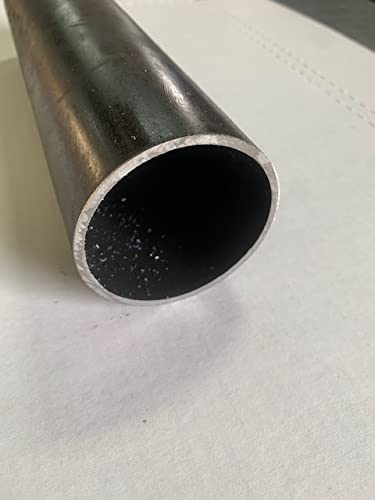
This option features a lightweight 1/16″ wall, suitable for non-structural, decorative, or light-duty framing where flexibility and ease of welding count. Best for non-load-bearing components or models that require maneuverable tubing. Limitations include reduced stiffness and increased susceptibility to denting under external pressure or bending moments.
Buying Guide
What is DOM tubing and why choose it? DOM stands for drawn-over-mandrel, a process that yields smooth interior walls and consistent thickness. This makes DOM tubing easier to weld, machine, and form compared with other steel tubes. For many fabrication projects, this translates to cleaner welds and predictable behavior under load.
Key considerations when selecting 1.5″ DOM tubing
- Wall thickness: Thicker walls (e.g., 1/4″) provide higher strength and stiffness but add weight and cost. Thinner walls save weight but are less resistant to denting or bending.
- Outer vs inner dimensions: Confirm the actual outer diameter (OD) and the resulting inner diameter (ID). Some listings show ID or custom measurements; ensure compatibility with connectors or fasteners.
- Length: Longer tubes enable fewer joints but require more handling. Check if you need cut-to-length options or standard stock lengths (such as 4 ft or 48 in).
- Application type: Auto chassis, frames, or supports may benefit from different wall thicknesses and strengths. For high-load or high-stiffness needs, prefer thicker walls or larger OD combinations.
- Fabrication method: Consider welding capabilities; DOM tubing welds well in many scenarios, but thin walls require careful heat control.
Comparison at a glance
- Best for light auto-frame components: Allstar Performance 1-1/2″ x .095″ wall (4 ft).
- Better for high-stiffness frames: 2″ OD with 1/4″ wall (ID 1-1/2″) option.
- Choose this if you need balanced stiffness and moderate weight: 1-1/2″ OD x 1/4″ wall (48″ or similar).
- Better for weight-sensitive projects: 1-1/2″ OD x 1/8″ wall or 1/16″ wall variants.
- Avoid thin-walled options for critical load-bearing roles unless your design accounts for stress.
FAQ
- What does DOM mean? It stands for drawn-over-mandrel, a manufacturing method that yields smooth interiors and consistent wall thickness.
- What wall thickness is typical for chassis parts? Common options include 1/4″ (0.25″) and thinner 1/8″ or 1/16″ walls, depending on load demands and weight considerations.
- Is 4 ft a standard length? Yes, 4 ft is a common stock length, with many listings offering cut-to-length services or the option to order longer pieces.
- Can these tubes be welded easily? DOM tubes are generally weldable with standard practices, but thinner walls require heat control to prevent warping.
- Which tube is best for beginners? A mid-wall thickness, like 1/4″ on a 1-1/2″ OD, offers a balance of strength, weldability, and workability for many first-time fabrications.
- Are IDs important when ordering? Yes. Some listings show ID and OD; verify both dimensions to ensure compatibility with fittings and internal clearance for fasteners.
Add a Comment