When rapid water removal matters, a 2 inch mud pump is often the best balance of flow, portability, and debris handling. This guide highlights five reliable 2 inch pumps suitable for flood control, construction dewatering, irrigation, and job-site cleanup. Each option is chosen for clear, practical benefits, such as high flow, solid suction, or robust construction. This article targets buyers seeking trustworthy, no-nonsense pumps that can move water with mud, sand, or small debris without frequent clogs. It also notes who each pump is best suited for and potential limitations.
| Product | Best For | Key Benefit |
|---|---|---|
| OtaniReno 2 Inch Trash Pump | Construction dewatering, flood control | High power, strong lift, semi-trash design |
| DC HOUSE 2″ Gas Semi-Trash Pump | Rugged outdoor pumping | Efficient engine, good flow, straightforward maintenance |
| JLYNOWPT 2″ 7.5HP Trash Pump | Agriculture and drainage | High flow with solid-particle capability |
| LIAPDG 212CC 7.5HP Pump | General dewatering and irrigation | Strong head and suction, versatile inlet/outlet |
| Multiquip Bon 2″ Submersible | Basement or trench dewatering | Compact electric design, lightweight |
Note: Each product gathers different strengths—engine power, fuel source, and whether the unit is semi-trash or submersible. Use the table to compare primary capabilities quickly and decide which pump aligns with your job site needs and debris conditions.
OtaniReno 2 Inch Trash Pump

This semi-trash pump uses a 6.5 horsepower, 210cc OHV gas engine to deliver up to 1271 GPH. It is built for heavy-duty pumping in demanding settings like flood control, construction dewatering, and agricultural irrigation. The 2 inch inlet and outlet support thick, muck-filled water, reducing the chance of clog-related slowdowns. It can self-prime to pull water from sources up to 23 feet deep and push water up to 92 feet vertically, making it well suited for rising-water scenarios and elevated drainage tasks.
Best for: Contractors and land management workers who need a robust, portable engine-powered pump that can handle dirty water with small debris. Choose this if you prioritize raw pumping power and a proven 2 inch flow path.
Caution: Gas-powered units require fuel management in the field and routine maintenance to sustain peak performance. Debris-heavy water may eventually require screen or screen guard checks to avoid clogging.
DC HOUSE 2″ Gas Semi-Trash Pump

Powered by a 212cc engine at 6.5 horsepower, this gas pump is designed for high output and reasonable fuel efficiency. It moves up to 158 GPM and includes features aimed at longevity and ease of use, such as straightforward throttle control and accessible spark plug access. The pump can handle some sludge and solids, but better longevity comes from keeping the intake debris-free and cleaning the area after use. The 2 inch inlet and outlet enable flexible hose choices for various jobs.
Best for: Job sites needing a straightforward gas-powered option with good flow and reasonable runtime between refuels. It’s a strong pick when fuel availability and ease of maintenance are priorities.
Caution: Prolonged pumping with heavy debris can stress seals; plan for routine cleaning and occasional checks to prevent buildup that could affect performance.
JLYNOWPT 2″ 7.5HP Trash Pump

This gas-powered unit delivers up to 882.87 ft³/h (approximately 12.5 GPM equivalent) with a 7.5HP, 212cc engine. It has a high head and suction height—up to 98.43 feet and 22.97 feet respectively—facilitating irrigation and drainage tasks that require pushing water from low spots to elevated locations. The pump is designed to handle debris up to about 1/3 inch in diameter, which helps keep maintenance manageable during longer jobs. A 24.61 foot hose is included for flexible setups.
Best for: Farms or large outdoor sites needing strong head performance and a longer run time between refuels. This model balances power with portability for mid-size dewatering projects.
Caution: Gas units require proper storage and ventilation considerations; refueling should occur away from ignition sources and while cool.
LIAPDG 212CC 7.5HP Gasoline Engine Pump

This 7.5HP gas pump features a 212cc engine with a 2 inch inlet and outlet. It provides up to 918.18 ft/h head and 22.97 ft suction height, enabling efficient irrigation and dewatering. The design emphasizes a sturdy carbon steel frame, vibration-reducing pads, and a solid base for stability on uneven terrain. The unit is built to be versatile, with a robust frame and easy-to-move design for shallow-to-mid-depth pumping tasks.
Best for: Users who want a versatile workhorse with strong head and decent suction, suitable for general dewatering and irrigation on rough job sites. Excellent when you need a durable frame and stable operation.
Caution: Ensure fuel system is properly maintained and cleaned after use to prevent residue buildup on the intake.
Multiquip Bon Submersible Electric Pump
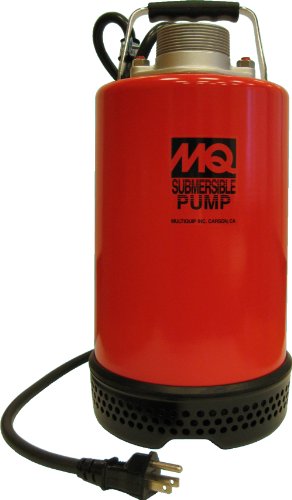
This compact electric submersible pump offers 2 inch suction and discharge with a 1 horsepower motor. It is designed for quick, flexible dewatering in tight spaces, basements, or trenches where a compact footprint matters. The aluminum housing contributes to lightweight handling and easier transport. The 2 inch discharge port supports standard hoses, simplifying setup.
Best for: Short-duration, indoor, or restricted-space dewatering tasks where portability and low noise are important. Ideal for intermittent use where a lightweight electric option is favored.
Caution: Electric submersible pumps require proper electrical supply and grounding; avoid running in standing water with damaged cords or cords without proper strain relief.
Buying Guide
What matters most for a 2 inch mud pump?
Flow rate and head height determine how quickly water is removed and how high you can lift it. A higher GPM or GPH translates to faster pumping, while greater suction height and total dynamic head enable pulling water from deeper sources and moving it to distant locations.
Gas vs electric vs submersible?
Gas-powered pumps offer mobility and high flow for outdoor sites without power access. Electric submersible pumps excel in confined spaces and basements, with quiet operation and straightforward wiring. Semi-trash designs tolerate some solids, while full trash pumps handle larger debris but may require more maintenance.
Debris handling
Consider the typical debris size in your water. For soil, sand, or small stones, opt for semi-trash or trash-capable models. For clean water or very fine sediments, a standard pump may suffice.
Runtime and fuel considerations
Gas-powered units depend on fuel availability and consumption rates. If a job lasts many hours away from fueling, choose larger tanks and engines with efficient fuel use. Electric pumps require a reliable power source and appropriate outlets.
Portability and setup
Weight, handles, and overall footprint affect transport between sites. Look for vibration minimization, robust mounts, and simple throttle or control access to reduce setup time.
Durability and maintenance
Materials like aluminum, carbon steel, and cast iron balance weight with durability. Check for accessible service parts, easy cleaning, and compatibility with common hoses and fittings.
Frequently Asked Questions
- What is a 2 inch mud pump best used for?
It excels at dewatering on construction sites, flood cleanup, irrigation, and emergency drainage where water contains mud or other debris.
- Are gas pumps better than electric for outdoor use?
Yes, for remote sites without reliable electricity. Electric pumps are convenient in buildings or where quiet operation is important.
- How much debris can a 2 inch pump handle?
Trash-capable models handle larger solids; semi-trash designs manage mud and sand up to a few tenths of an inch without frequent clogs.
- What maintenance is needed after pumping dirty water?
Rinse the intake area, check seals and gaskets, and clean the filter or screen if present. Keep fuel and oil clean and at proper levels for gas units.
- How do I choose between a semi-trash and a trash pump?
If you routinely encounter visible debris larger than fine silt, choose trash-capable models. For mostly muddy but small solids, semi-trash is usually sufficient.
Add a Comment