Answer: For most buyers, a dedicated deburring tool or double‑sided deburring tool is the most practical choice to quickly remove burrs from sheet metal edges. The top five products below cover handheld deburring tools, dual‑sided designs, and multi‑purpose kits suitable for metalworking, fabrication, HVAC, or DIY projects. Best for beginners and pros alike, these options emphasize safety, edge quality, and ease of use. The table summarizes key details to compare fit, edge quality, and target thickness.
| Product | |||
|---|---|---|---|
| Noga DB1000 Sheet Metal Deburring Tool | Single‑sided deburring with N80 blade | General deburring on 0–12 mm edges | 0–12 mm |
| Noga DB1005 Sheet Metal Deburring Tool (Double Burr) & 10 Pack N80 HSS Blades | Double burr, hand guard, extra blades | Simultaneous burr removal on both sides | 0–12 mm |
| Wrenmor DB1000 Double Sided Deburring Tool | Double‑sided trimming with BN8010 HSS blades | Fast edge chamfering on both faces | 0–12 mm |
| ArtHoval DB1000 Double‑Sided Deburring Tool | Double‑sided deburring, alloy steel | Efficient burr removal on both sides | 0–12 mm |
| Slice 10482 Deburring Tool | Ceramic blade, long‑lasting; ideal for metals and plastics | Combined edge deburring for metal and plastics | Varies by blade size |
Noga DB1000 Sheet Metal Deburring Tool
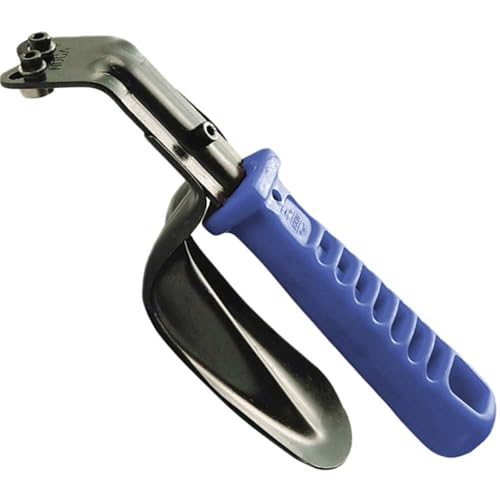
The Noga DB1000 is a single‑blade deburring solution with an N80 blade suitable for removing burrs along sheet metal edges from 0 to 12 mm. Best for solo operators who need compact, straightforward deburring in workshops or on job sites. The tool is chosen for users prioritizing a simple, dedicated edge clean‑up tool over multi‑purpose machines. A potential limitation is that only one edge is deburred per pass, so faster jobs may benefit from double‑sided options.
Who it’s best for: metalworkers, plumbers, and DIY enthusiasts needing reliable single‑edge deburring with predictable results.
Noga DB1005 Sheet Metal Deburring Tool (Double Burr) & 10 Pack N80 HSS Blades

This model adds a double burr feature with a hand guard and includes ten N80 HSS blades. It is designed to deburr both sides of sheet metal edges in a single operation, saving time on larger jobs. The double‑burr capability is a clear advantage when finishing heat‑treated or tightly toleranced edges. A caution: blade changes should follow safety guidelines to avoid finger injuries.
Who it’s best for: workshop operators handling frequent deburring on different sides and needing a ready supply of blades for ongoing work.
Wrenmor DB1000 Double Sided Deburring Tool

The Wrenmor DB1000 provides a dual‑sided approach with BN8010 HSS blades included for 0–12 mm edges. The circular rotating blade system allows exposure of fresh edges without re‑alignment, which supports quicker production runs. The ergonomic, safety‑guarded handle reduces hand fatigue during longer deburring sessions. A limitation is that some users may experience blade wear if consistently working on tough metals like galvanized steel.
Who it’s best for: fabricators and HVAC technicians who need fast, repetitive deburring on both sides with minimal setup.
ArtHoval DB1000 Double‑Sided Deburring Tool

ArtHoval’s DB1000 emphasizes a double‑sided design and durable alloy steel construction. It promotes efficient burr removal on both sides of the sheet metal edge and is positioned for workshops that prize durability and consistent edge quality. A potential caveat is that real‑world edge thickness tolerance and blade life depend on material hardness and frequency of use.
Who it’s best for: professional shops needing a robust, long‑lasting deburring tool for dual‑sided edge work.
Slice 10482 Deburring Tool

Slice’s tool features a ceramic blade designed to resist rust and last longer than typical metal blades. It is marketed as a versatile option for deburring metal edges, plastics, and 3D‑printed parts. While ceramic blades stay sharp longer, they can be more brittle under heavy pressure or misalignment. This makes it a good fit for light to moderate deburring tasks with careful use.
Who it’s best for: users seeking a long‑lasting, finger‑friendly blade for mixed materials, including plastics and 3D prints.
Deburring Tool With 12 High Speed Steel Blades (PEASUG)

This PEASUG kit includes a sturdy metal handle and 12 HSS blades for quick blade replacements. It aims at a range of materials from metal to resin, with a rotating cutter that removes burrs efficiently. A limitation to consider is that some users may prefer a dedicated single‑purpose deburring tool for consistent repeatability on high‑volume tasks.
Deburring Tool With 12 High Speed Steel Blades (PEASUG, Silver)

This second PEASUG option mirrors a 12‑blade kit with a metal handle, designed to handle diverse materials from metal to plastics. It emphasizes durability and ease of blade swaps. Best for users who want a spare or second kit with similar capabilities for diverse projects. A limitation is that text claims should be validated against actual tool performance in high‑volume settings.
Buying Guide: Key Considerations For Sheet Metal Deburring Tools
- Edge thickness and material: Choose tools rated for the sheet metal thickness you work with (0–12 mm is common for many tools).
- Single vs. double sided deburring: Double‑sided tools finish both edges in a single pass, which speeds up production. Single‑sided tools are simpler and often lighter.
- Blade type and replacement availability: HSS blades provide durability; ceramic blades stay sharp longer but can be brittle. Ensure blades are easy to replace and available in packs.
- Ergonomics and safety: Look for integrated guards, comfortable handles, and a design that minimizes finger exposure during deburring.
- Versatility: Some tools are designed to deburr plastics and 3D‑printed parts as well as metals. Consider whether you need multi‑material deburring in one tool.
- Durability and construction: Alloy steel or robust metal bodies offer longer life under regular use and abrasion from metal edges.
Frequently Asked Questions
- What is the main difference between single and double burr deburring tools? — Double burr tools remove burrs from both sides of the edge in a single pass, saving time on square metal edges; single burr tools focus on one edge per stroke.
- Are ceramic blades better than HSS for deburring metal edges? — Ceramic blades resist rust and maintain sharpness longer, but can be more brittle and less forgiving under impact than HSS blades.
- Can I use these tools on plastics or 3D‑printed parts? — Some models are suitable for plastics and 3D prints, but verify blade material and tool design to ensure safe use on non‑metal parts.
- Which feature is most important for a workshop with many small parts? — A lightweight, dual‑sided tool with readily available replacement blades minimizes downtime and increases throughput.
- Is blade replacement essential for consistent performance? — Yes. Regular blade replacement maintains edge quality and reduces the risk of rough finishes on metal edges.
- What thickness range should I consider for standard sheet metal work? — Most deburring tools cover 0–12 mm; verify your typical thickness before choosing a tool.
Add a Comment