When you need serious airflow and power, a high-hp air compressor can be the workhorse of your shop. This guide highlights five strong options for demanding tools like sandblasters, impact wrenches, spray guns, and continuous-run equipment. Each pick is explained for the type of buyer it suits best—whether you’re a pro workshop owner, a DIYer tackling large projects, or someone upgrading from a lighter unit. Below, you’ll find a quick summary table, followed by detailed product sections and a practical buying guide.
| Product | HP | Tank | Max PSI | Best For |
|---|---|---|---|---|
| 40 Gallon Air Compressor (Gasoline, 15 HP) | 15 | 40 gal | 175 | Heavy-duty, continuous use, mobile shop |
| DEWALT 60 Gallon Vertical | 3.7 | 60 gal | 155 | Professional garage or workshop, durable electric unit |
| Craftsman 20 Gallon, Oil-Free | 1.8 | 20 gal | 175 | DIY projects, smaller spaces with decent run times |
| Quincy 60-Gallon Vertical | 3.5 | 60 gal | 145 | Industrial-grade, longer tool runtimes |
| JEGS 60 Gallon Vertical | 3 | 60 gal | 120 | Single-phase, general heavy-duty use |
The items below are organized to help you compare horsepower, capacity, and practical use. Each section notes who benefits most from the unit, plus a small caveat to consider before buying.
40 Gallon Gasoline Powehouse With 15 HP Engine
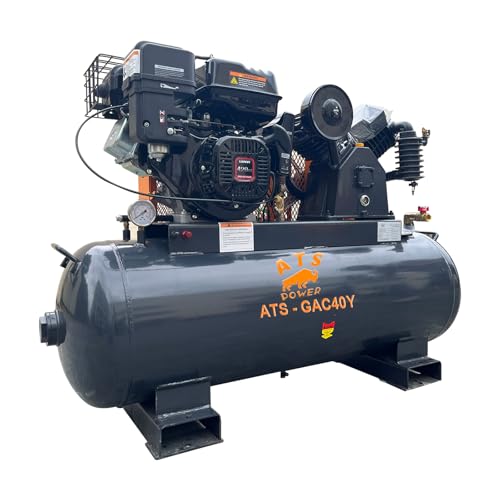
This unit uses a 420cc 4-stroke RATO engine producing 15 HP, paired with a two-stage compressor. It reaches up to 175 PSI and delivers about 24 CFM, enabling heavy-duty tools like sandblasters and spray guns. The 40-gallon tank supports longer continuous operation, and the oil-free pump minimizes maintenance. Best for mobile, industrial-style work where you need high pressure and strong airflow in a rugged setup. Caution: gasoline engines require proper fueling and ventilation; start-up can be noisier than electric models.
Klutch 29-Gallon 2.5HP Portable

Best for: intermediate to continuous air tool use where a portable unit is preferred. This model runs on 120V with a top pressure of 175 PSI and a 5.1 SCFM at 90 PSI, designed for quick recovery. The maintenance-free, oil-free pump reduces upkeep and helps keep projects moving. Consider this if you want a balance of capacity and portability without heavy industrial requirements.
Klutch 20-Gallon 2 HP Electric

Best for: DIY projects and lighter professional work where space is limited. The unit provides 2 HP of motor power and 175 PSI max pressure with reliable oil-free pumping. Its compact design and durable cast-iron dual-pylinder pump offer good durability for a wide range of tasks. Limitation: lower overall CFM means slower recovery for continuous high-demand use.
DEWALT 60 Gallon Vertical Electric Air Compressor

Best for: professional workshop settings that require stable air supply and endurance. This 3.7 HP electric unit delivers up to 155 PSI with an oil-lubricated pump for durability. The vertical design saves space, making it a strong choice for garages and shops with limited floor area. Caution: oil lubrication requires occasional maintenance and checks to prevent leaks or pressure loss.
Quincy Single-Stage 60-Gallon

Best for: serious, long-run workshop tasks where a robust, single-stage compressor is preferred. The Quincy model features a 60-gallon vertical tank and 12.4 CFM at 100 PSI, offering reliable output for demanding tools. The single-phase 230V design is common in professional shops. Limitation: lower maximum PSI compared to some gas models may affect peak tool performance in extremely high-demand scenarios.
JEGS 3 HP 60 Gallon Vertical

Best for: budget-conscious buyers needing a large-capacity unit with decent airflow. The 3 HP motor and 60-gallon tank provide a solid balance of performance for general heavy-duty tasks. The single-stage design keeps maintenance straightforward. Avoid this if you require extremely fast recovery for high-volume spraying or continuous sandblasting, where higher CFM would help.
Buying Guide
Key factors to consider when selecting a high-hp air compressor include horsepower, tank size, maximum PSI, CFM at a given PSI, motor type (gas vs electric), and intended use. Gas-powered units excel in mobile or outdoor settings, while electric models are common in indoor shops with reliable power.
How much horsepower do you need?
Higher horsepower generally means more sustained airflow. Gas engines often provide robust, mobile performance, but electric units can deliver consistent output with less noise and easier maintenance.
What tank size fits your workflow?
Large tanks (60 gallons) deliver longer runtimes between fills, ideal for continuous tools. Smaller tanks (20–40 gallons) are easier to move and fit in tighter spaces but require more frequent recharging.
How important is maximum PSI and CFM?
CFM at a given PSI determines how quickly tools air up and stay constant. For spray painting, sandblasting, or impact wrenches, higher CFM and PSI are beneficial. Balance these with tank size and duty cycle for your tasks.
What maintenance should you expect?
Oil-lubricated pumps require periodic oil checks and top-offs. Oil-free pumps reduce maintenance but may wear differently under heavy use. Consider noise, exhaust, and space requirements in your shop.
Which is better for you: gas or electric?
Gas models offer mobility and strong peak power, suitable for outdoor sites and large shops without constant power supply. Electric units are quieter, easier to install, and cleaner, making them a popular choice for indoor garages.
Practical tips for choosing
- Match CFM to your most frequent tool’s requirement to avoid underpowered performance.
- Factor in space: vertical designs save floor area in tight workshops.
- Check for ease of maintenance and parts availability when selecting a model.
FAQ
- Q: Is a higher horsepower unit always better for DIY projects? A: Not necessarily. Choose based on the tools you use most and the space you have.
- Q: Do I need oil-free pumps for low maintenance? A: Oil-free pumps reduce maintenance but may have different noise and durability profiles.
- Q: Should I buy a gas or electric compressor for a home garage? A: Electric is common for indoor use; gas is better if you need mobility and power away from outlets.
- Q: How important is tank size for painting or blasting tasks? A: Larger tanks provide longer continuous run times, reducing downtime.
- Q: Can I run multiple air tools at once? A: Yes, if your CFM rating supports the combined demand of your tools.
- Q: Do I need a compressor with a low-oil shutdown? A: This feature protects the engine and can prevent unexpected shutdowns during work.
Add a Comment