Looking for a dependable water well storage tank system? This guide highlights top options that balance capacity, durability, and ease of installation. The best picks are suited for homes, farms, and small businesses needing steady water pressure and storage. For each product, you’ll find who it’s best for, why it’s chosen, and any notable limitations. A concise buying table is included to help you compare at a glance.
| Product | Best For | Key Benefit |
|---|---|---|
| VEVOR 34-Gallon Vertical Well Pressure Tank | Small to mid-size homes | Large capacity with strong carbon steel build |
| Amtrol WX-203 Well-X-Trol | Color-coded, durable systems | High-strength shell with reliable inner liner |
| WaterWorker HT-30B Vertical Tank | NSF-listed quality with reliable diaphragm | Butyl diaphragm for flexible, durable performance |
| iSpring T20M 20 Gallon Tank | RO systems with balanced storage | Pre-pressurized, versatile position |
| Amtrol WX-202 Well Pressure Tank | Upgrade to robust diaphragm tank | Strong seal and durable liner |
VEVOR 34-Gallon Vertical Well Pressure Tank
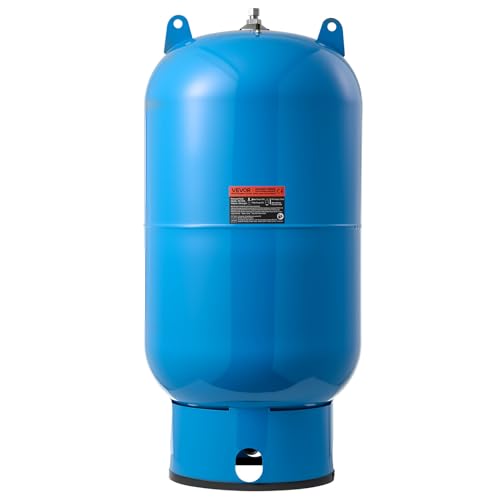
Best for: Whole-house water supply in mid-sized properties. This vertical tank provides a 34-gallon storage capacity with a 1-inch NPT connection for secure piping. It helps reduce pump cycling and maintains steadier pressure. The tank is made from 1.5mm carbon steel, offering durability for frequently used systems. It is pre-charged at 36.2 PSI and tolerates up to 116 PSI internal pressure with a working temperature up to 158 F. Suitable for non-drinking use contexts such as irrigation or farm systems.
Why selected: Large capacity in a compact footprint supports steady daily use without frequent reactivation of the pump. The metal build provides resilience in environments with higher duty cycles. It is best for users who need a robust, non-PRV specific solution and are not relying on potable water applications.
Caution: Not suitable for drinking water; ensure proper filtration/conditioning if needed for potable uses. Frost-proofing is not specified, so consider climate when installing.
Amtrol WX-203 Well-X-Trol Stand Well Water Tank

Best for: Homes requiring a durable diaphragm-based tank with a robust steel shell. The WX-203 uses a virgin polypropylene inner liner that resists cracking, chipping, flaking, or peeling, while the steel shell supports aggressive water environments. This model is well-suited for long-term reliability in potable and non-potable setups when paired with proper plumbing.
Why selected: The combination of a strong shell and a high-quality liner reduces the risk of liner degradation over time, offering steady water pressure and fewer maintenance concerns. It’s a solid upgrade for older systems or new installs in demand-heavy households.
Caution: As with all well tanks, verify compatibility with your pump and current plumbing; check for required pre-charge settings and seasonal adjustments in your area.
WaterWorker HT-30B Vertical Pressure Tank

Best for: Families and small farms that require NSF-listed components and reliable diaphragm performance. The HT-30B aligns with ANSI/NSF Std 61 and uses a Butyl diaphragm designed to flex rather than crease, providing long-term stability. The polypropylene liner in the reservoir minimizes taste transfer and flaking.
Why selected: NSF-listed status and high-quality diaphragm material contribute to dependable water pressure and reduced maintenance, making it a strong choice for systems where water purity and system integrity are priorities.
Caution: This model has a 30-gallon designation with a 26-gallon usable capacity; plan storage and drawdown accordingly to avoid pump cycling challenges.
iSpring T20M 20 Gallon Pre-Pressurized Tank
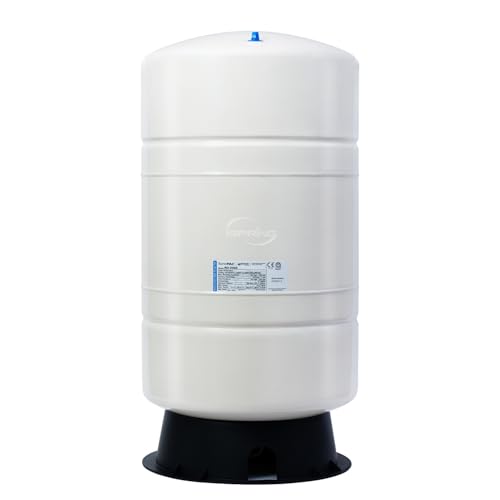
Best for: Reverse osmosis (RO) systems needing balanced water storage and reliable pre-pressurized storage in tight spaces. The T20M stores up to 14 gallons of water and is designed for vertical or horizontal placement, offering flexible installation options.
Why selected: Pre-pressurized design ensures immediate water delivery when a tap is opened, minimizing pump start-stop events. It’s a practical fit for RO setups that require stable pressure and compact footprint.
Caution: As an RO storage tank, it’s most effective when paired with compatible RO components; exceeding recommended storage can affect performance.
Amtrol WX-202 Well Pressure Tank
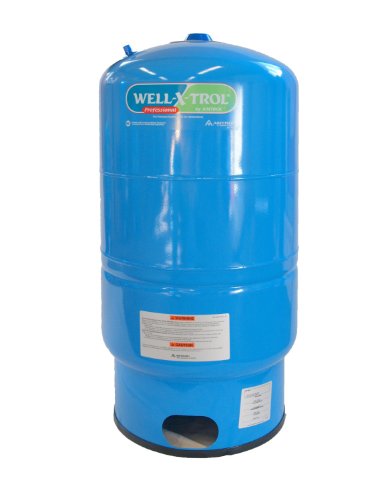
Best for: Upgrading existing well systems with a reliable, high-strength steel shell and a sturdy liner. The WX-202 emphasizes a leak-resistant diaphragm and a durable interior for long-term use.
Why selected: The positive hoop ring seal design and durable liner provide a strong foundation for consistent water pressure and system longevity, particularly in homes with older or more demanding water setups.
Caution: Confirm proper pre-charge and compatibility with your pump and storage needs to avoid improper cycling or pressure imbalances.
Buying Guide: How To Choose A Water Well Storage Tank System
What capacity do you need? Consider daily water usage, the size of your household or business, and peak draw patterns. Larger tanks reduce pump cycles but require more space and heavier installation considerations.
What type of tank is best for your water? Diaphragm tanks (like Amtrol WX-203/WX-202) are common for potable and non-potable systems, offering durable liners. Bladder-free options or steel shells provide rugged resilience but require careful installation and maintenance.
Is a pre-charged design important? Pre-charged tanks help deliver immediate water flow and minimize pump cycling. They’re especially beneficial for RO systems or small homes where quick response matters.
What material or build quality matters? Steel shells provide strength, while virgin liners resist cracking or flaking, supporting longer service life. For water purity, NSF/ANSI standards and materials that avoid taste transfer are important considerations.
What installation considerations are needed? Check NPT connections (commonly 1 inch), height clearance, and the ability to mount vertically or horizontally if space is limited. Some tanks are designed specifically for well-fed systems, while others excel in irrigation or farm applications.
How will you maintain the system? Plan for pre-charge checks, periodic diaphragm or liner inspection, and compatibility with your current pump and plumbing. Some models offer easier access for maintenance or replacement parts.
Frequently Asked Questions
- What is a well pressure tank and why do I need one? It stores pressurized water to smooth out pump cycling and provide steady pressure, improving overall water delivery in wells.
- What capacity should I choose for a family home? A 20–34 gallon tank is common for mid-sized homes, balancing storage with space. Larger homes or farm setups may require bigger tanks.
- Are diaphragm tanks better than bladder tanks? Diaphragm tanks offer robust durability and are widely used; bladder tanks can be gentler on sensitive systems but may require more maintenance in some conditions.
- Can I install these tanks myself? Basic installation is possible for many tanks, but a licensed plumber or well contractor is recommended for proper connections, pre-charge settings, and code compliance.
- Do these tanks affect water quality? Generally not; choose models with high-quality liners and NSF-listed components to minimize taste or odor transfer.
- How do I know which model is right for RO systems? Look for pre-pressurized tanks designed for RO systems, typically with compact size and compatible fittings.
Add a Comment