Answering the common buyer question: which interlocking floor tiles deliver durable, low-maintenance protection for garage and workshop floors? This guide focuses on heavy‑duty, coin and diamond plate styles that resist oil, chemicals, and heavy loads. It highlights top picks for DIY homeowners, professional garages, and hobby shops. Each selection emphasizes ease of installation, longevity, and slip resistance. Below, you’ll find a concise product table, quick-fit pros and cons, and buying guidance to help you choose the right tile system for your space.
| Product | Pattern / Style | Pack Size | Best For |
|---|---|---|---|
| Big Floors RaceDeck | Diamond Plate | 48 tiles (48 Sq Ft) | Heavy-duty garages needing maximum load support |
| Big Floors GarageDeck | Coin Pattern | 48 tiles (48 Sq Ft) | All-purpose garages with oil/chemical exposure |
| Big Floors GarageTrac | Diamond Pattern | 48 tiles (48 Sq Ft) | Workshops requiring high traction and durability |
| HTWELL Interlocking | Industrial, Non-Slip | 12 tiles (16″ x 16″ each) | Heavy-use garages and basements needing stability |
| VEVOR | Interlocking Tiles | 50 tiles | Versatile spaces, large areas, easy customization |
Big Floors RaceDeck Garage Floor Tiles

The RaceDeck tile uses a high‑impact copolymer with a patented diamond substructure. It supports rolling loads over 80,000 pounds and lets air and moisture escape, reducing heat buildup and moisture retention. Quick, tool-free installation via PowerLock technology reduces setup time. The diamond plate texture offers strong traction, aiding slip resistance. Best for: high‑demand garages and professional spaces that need maximum load support and fast setup. Caution: surface cleaning remains straightforward, but prolonged exposure to certain chemicals may require routine maintenance to preserve the surface finish.
Big Floors GarageDeck Coins Pattern

GarageDeck tiles are built from non‑toxic copolymer, with a coin‑top surface designed for traction and easy cleaning. They resist oil, grease, antifreeze, and most household chemicals, and can handle rolling loads over 40,000 lbs. Quick to install with PowerLock interlocks, no tools or adhesives required. Best for: residential garages or hobby spaces needing durable, chemical‑resistant flooring with straightforward maintenance. Caution: coin textures can trap fine debris; regular sweeping or vacuuming helps maintain traction.
Big Floors GarageTrac Interlocking Tiles
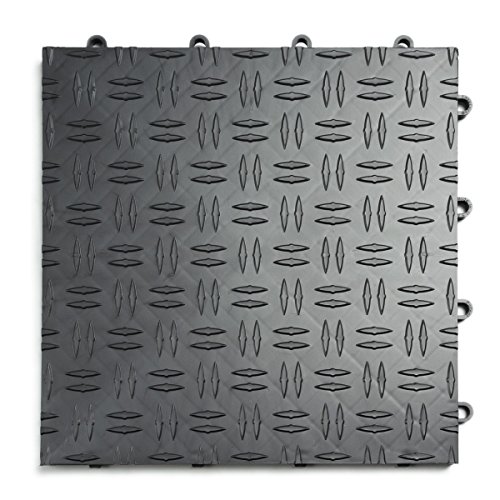
The GarageTrac line features a diamond double‑tread pattern for added traction. Made from high‑impact copolymer, these tiles withstand harsh garage environments and tolerate loads over 40,000 lbs. They install via snap‑in PowerLock technology, with no tools required. Best for: workshops with heavy foot traffic and equipment. Caution: some users note a slight need for occasional reseating if tiles are frequently moved or rolled over with heavy equipment.
HTWELL Interlocking Industrial Tiles
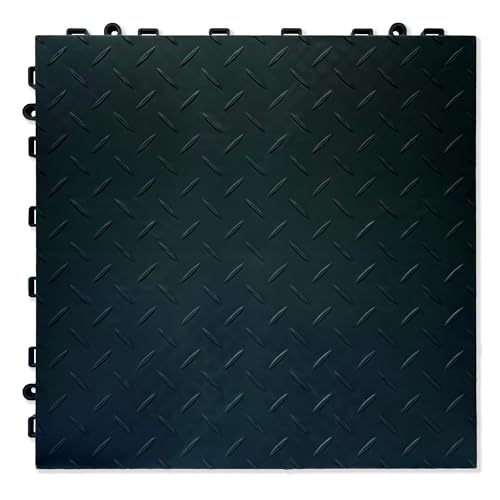
HTWELL tiles are 100% virgin polypropylene, 0.71 inches thick, offering robust load bearing for SUVs, trucks, and heavy workshop gear. The tool‑free snap‑together design includes reserved positioning holes for extra stability. Diamond‑textured surface minimizes slips. Best for: industrial or serious home shops seeking maximum stability and a premium feel. Caution: the thicker profile may take a bit longer to lay out in very tight spaces or irregular rooms.
VEVOR Interlocking Floor Tiles

VEVOR tiles offer multi‑scene versatility with six interlocking loops for a snug fit and seamless surface. Each tile is 0.53 inches thick, capable of handling heavy loads without damage. They are designed for quick installation and easy interlocking, requiring no tools or glue. Best for: larger spaces or multi‑use areas where you may reconfigure layouts over time. Caution: 2026 model changes may affect interlock compatibility with older purchases; verify fit if upgrading existing tiles.
Buying Guide: Key Purchase Considerations
What space will you cover?
Measure the area and decide between full‑coverage tiles or modular sections. Larger spaces benefit from 48‑tile packs for fewer joints, while smaller areas can use 12–24 tile sets for flexibility.
What environment will the tiles face?
Garage floors face oil, antifreeze, and impact. Look for high‑impact copolymer or virgin PP tiles with oil and chemical resistance and a high load rating. Textured patterns improve traction, especially when wet or oily.
How easy is installation and maintenance?
Interlocking designs with PowerLock or similar systems provide tool‑free setup. Consider drainage features if you expect liquid spills; drainage‑friendly textures reduce pooling and simplify cleaning with a mop or shop vacuum.
How important is traction and durability?
Patterns like diamond tread or coin top offer varying grip. Heavier duty tiles tolerate rolling loads and heavy equipment, while still enabling airflow to prevent moisture buildup.
Are there compatibility or upgrade considerations?
Some models advise that older tiles may not perfectly interlock with newer designs. If upgrading, plan for compatibility checks or a full replacement to ensure a uniform surface.
What is your budget and space flexibility?
Choose tiles that balance price, durability, and ease of replacement. If you anticipate expansion or reconfiguration, modular tiles with universal interlocks help minimize total cost over time.
Frequently Asked Questions
- How strong are interlocking floor tiles for garages?
High‑impact copolymer or virgin PP tiles commonly support heavy rolling loads and protect concrete from oil and chemicals. Look for load ratings and pattern textures that enhance traction.
- Do I need tools to install these tiles?
No tools are typically required. Most systems use a snap‑together PowerLock or similar interlock that clicks into place with even pressure.
- Can these tiles be used in outdoor spaces?
Some tiles are designed for indoor/outdoor use, with water drainage features and UV‑resistant materials. Check the product specs for outdoor suitability and weather resistance.
- How do I clean and maintain the tiles?
Regular sweeping or vacuuming, followed by mopping with a mild cleaner, keeps the surface clear of debris. Texture helps trap grit, so periodic deep cleaning may be beneficial.
- Are there any installation pitfalls to avoid?
Avoid gaps between tiles by fully seating interlocks. For areas with heavy equipment, consider adding expansion screws to secure tiles through pre‑set holes if available.
- Can I mix tile patterns in a single space?
Yes, you can mix different interlocking patterns, but ensure uniform interlock compatibility and consider drainage and traction consistency across sections.
Add a Comment