These high-pressure solenoid valves are suitable for demanding environments and a range of media. This guide highlights five reliable options, clarifying who each valve is best for, and why. Use this overview to compare pressure ratings, materials, and temperature tolerance to match your system requirements.
The following table summarizes the five selected products, focusing on pressure capacity, material, media compatibility, and typical use cases.
| Product | Material | Pressure Range | Media | Best For |
|---|---|---|---|---|
| Beduan Brass Electric Solenoid Valve | Brass | 1/2″ valve, 12V DC | Water, air, gas, fuel, oil | |
| U.S. Solid 1/4″ High Pressure Valve | Brass | Up to 50 bar (725 PSI) | Water, oil, air, gas, fuel | |
| ZHZKPLPPRB 1/8″ 2/2-Way Valve | 316 Stainless Steel | 0-200 bar range, 110 VAC | Various critical fluids | |
| U.S. Solid 1/4″ 12V DC Valve | Stainless Steel | 1-50 Bar (14.5-725 PSI) | Fuel, oil, air | |
| AOMAG DC24V 1/2″ Valve | Stainless Steel | High temperature and pressure, 356°F max | Steam, water, other fluids |
Beduan Brass 1/2″ 12V Air Valve

Best for: General-purpose applications where cost efficiency matters and regular fluids such as water or air are involved. This valve uses brass construction and a copper solenoid coil, with a 1/2″ female NPT port and DC 12V operation. It is a solid choice for systems that need reliable actuation without extreme pressures.
Why selected: The combination of brass durability and copper coil provides dependable performance in standard environments. The 1/2″ port size fits many common piping setups, and the DC 12V rating aligns with common control circuits.
Caution: Not ideal for very high-pressure systems or aggressive chemical media beyond typical water or air uses unless verified for compatibility.
U.S. Solid 1/4″ High Pressure Solenoid Valve

Best for: Industrial settings requiring high pressure performance. This valve supports up to 50 bar and temperatures up to 300°F, making it suitable for water, gas, oil, and other fluids in challenging environments.
Why selected: Exceptional pressure tolerance and heat resistance distinguish this model from lower-pressure alternatives, delivering reliable sealing and operation in demanding systems.
Caution: Although high-pressure capable, verify compatibility with any aggressive media and ensure proper installation to avoid leaks at high pressures.
ZHZKPLPPRB 1/8″ Stainless Steel High Pressure Valve

Best for: Precision control in demanding applications where backflow prevention and tight sealing are critical. The 316 stainless steel body offers strong durability and corrosion resistance for heavy-duty systems.
Why selected: This model emphasizes reliable unidirectional flow and adjustable cracking pressure, enabling precise control for varied pressure needs.
Caution: 316 stainless steel improves durability but may increase material cost; ensure correct electrical rating and voltage matching for your control system.
U.S. Solid 1/4″ 12V DC High-Pressure Valve

Best for: Environments demanding reliability across a wide pressure range (1–50 Bar) with strong temperature tolerance. It uses stainless steel construction with Viton sealing for fuel, oil, and air services.
Why selected: A robust combination of high-pressure capacity, broad temperature range, and a gasket designed for versatile sealing makes this valve well-suited for challenging media transfers.
Caution: Viton seals are not universally compatible with all solvents; confirm media compatibility in your specific application.
AOMAG DC24V 1/2″ Solenoid Valve
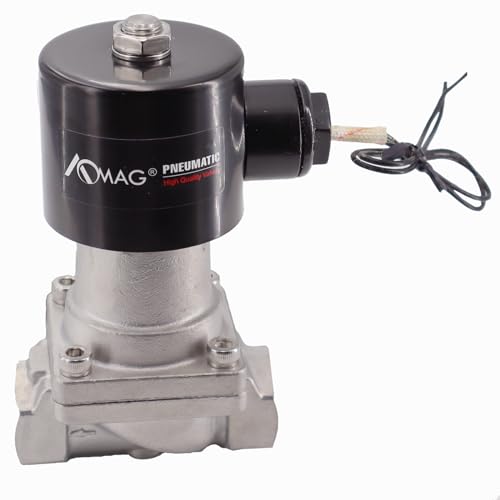
Best for: Steam or high-temperature applications where a stainless steel body and a Viton gasket provide reliable sealing at elevated temperatures.
Why selected: The stainless steel construction paired with a heat-tolerant gasket makes this valve a strong option for high-temperature and high-pressure services, especially where steam is involved.
Caution: When used with steam, ensure proper venting and system design to manage condensate and potential thermal expansion effects.
Buying Guide: How to Choose a High-Pressure Solenoid Valve
Consider the following factors to select the right valve for your system:
- Pressure rating and burst resistance: Match the valve to your system’s operating and surge pressures.
- Material and media compatibility: Brass, stainless steel, or other materials impact corrosion resistance and suitability for water, fuel, oil, gas, or steam.
- Temperature range: Ensure the valve operates safely within your process temperatures.
- Port size and connection type: Verify 1/2″, 1/4″, or other NPT sizes and ensure it fits your piping.
- Sealing and gasket material: Viton (FKM), NBR, or other gaskets affect chemical compatibility and longevity.
- Electrical rating: Confirm voltage (DC 12V, DC 24V, or AC variants) and coil resistance to integrate with control systems.
Practical guidance for selection:
- Choose a valve with higher pressure tolerance if your system experiences frequent spikes or operating near upper limits.
- A stainless steel body is preferable for corrosive or potable water contexts, while brass can offer cost advantages for general use.
- For media with hydrocarbons or fuels, verify gasket compatibility and consider specialized seals to minimize leaks.
FAQ
- What is a high-pressure solenoid valve best used for?
They are used to control fluid flow in systems requiring reliable actuation under higher pressures, including water, oil, gas, and some steam applications.
- Which material is most durable for harsh industrial environments?
Stainless steel (especially AISI316) offers superior corrosion resistance and durability in demanding environments.
- Do I need high-temperature rated seals?
Yes, if your application involves elevated temperatures, select valves with high-temp gaskets like Viton or equivalents.
- Can these valves handle steam?
Some models are designed for steam and high-temperature service; always check the product specifications for steam compatibility and pressure ranges.
- What port size should I choose?
Match the valve port size to your piping (common options include 1/2″ and 1/4″ NPT). Ensure thread compatibility with your fittings.
- Are there safety concerns with high-pressure valves?
Install valves following proper procedures, including pressure relief, secure mounting, and correct wiring to prevent leaks or electrical hazards.
Add a Comment