Finding the right log splitter for demanding wood-cutting tasks means balancing power, maneuverability, and reliability. This guide focuses on top-rated 30-ton and larger models to help American homeowners and pros choose equipment that tackles hardwoods with ease. Each entry includes key features, performance notes, and practical considerations for safe operation and maintenance.
style=”display:none;”>Summary Table of Chosen Products
- BILT HARD Full Beam 30-Ton Horizontal/Vertical Gas Powered Hydraulic Log Splitter
- BILT HARD 35-Ton Horizontal/Vertical Gas Powered Hydraulic Splitter
- MTD Log Splitter Cylinder: 27-30 Ton
- BILT HARD Log Splitter 6.5 Ton (Electric) — compact option for smaller yards
- WEN Electric Log Splitter, 6.5-Ton — portable electric alternative
BILT HARD Full Beam 30-Ton Gas Log Splitter

The BILT HARD 30-Ton Full Beam model combines robust splitting force with versatile positioning. Powered by a 7.5 HP 223 cc single-cylinder OHV engine, this unit delivers 30 tons of splitting power suitable for hardwoods. Its dual-position capability allows rapid switching between horizontal and vertical modes, aiding in handling large or awkward logs while reducing operator strain. Mobility is enhanced by 16-inch DOT tires, a 2-inch ball coupler, and 24-inch safety chains, enabling towing at up to 45 MPH and stable operation across varied terrains. A practical feature is its compatibility with ATV/UTV hitch systems, broadening on-site usability for woodsheds, farms, and professional crews.
Key considerations: engine maintenance (oil, filter, and spark plug), proper hitch setup, and regular inspection of the 2-stage gear pump for smooth operation. The dual-position design helps workers optimize leverage, but operators should always follow safety practices for vertical operation when lifting heavy logs. This model is ideal for frequent hardwood splitting tasks where portability and raw power are priorities.
BILT HARD 35-Ton Horizontal/Vertical Gas Log Splitter
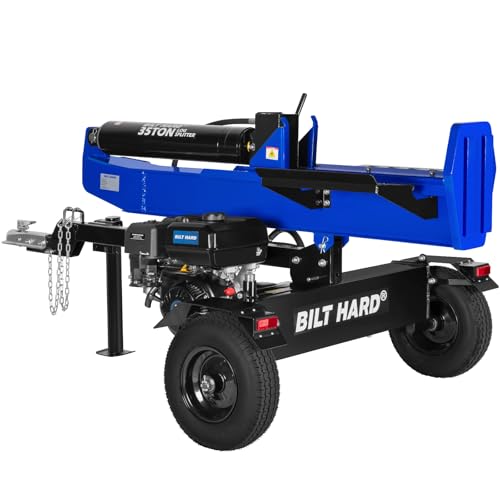
With a higher splitting force, the BILT HARD 35-Ton model is designed for rapid processing of large hardwoods. It features a 301cc OHV engine, a 16-inch DOT tire setup for mobility, and the same dual-position design that switches quickly between horizontal and vertical configurations. The 2-stage gear pump contributes to faster ram cycling, helping crews maximize productivity during long sessions. The 2-inch ball coupler and 24-inch safety chains make trailering straightforward and secure for transportation between work sites.
This model is suited for home wood shops and professional use where consistent high-output logs are common. Operators should monitor exhaust and air quality if used in enclosed spaces, and ensure that fuel, oil, and hydraulic fluid levels are checked before each use to prevent unexpected downtime. The air-cooled engine requires adequate ventilation and routine service for longevity.
MTD Log Splitter Cylinder: 27-30 Ton
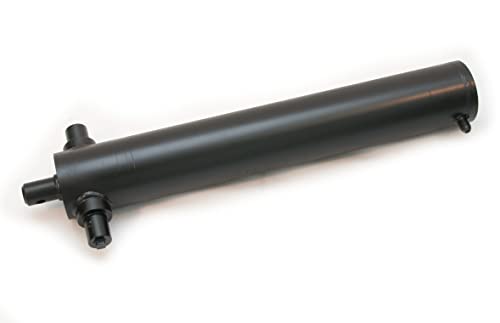
MTD’s rotary-style cylinder features a 4.5″ bore (5″ outside diameter) and a 24″ stroke, delivering roughly 27-30 tons of splitting force. The trunnion-mount design supports stable operation during heavy-duty cycles, with a focus on durability and straightforward maintenance. This option is well-suited for users who require substantial power without stepping up to the heaviest commercial units. Regular checks of hydraulic lines and fittings will help minimize leaks and maintain performance over time.
In practice, the 30-ton range is compatible with a broad spectrum of logs, from seasoned hardwoods to freshly cut timber. For best results, pair this splitter with appropriate log lengths and diameters, and use proper splitting techniques to maximize ram efficiency and minimize wear on components such as the wedge and hydraulic ram.
BILT HARD 6.5 Ton Electric Log Splitter

For users needing a compact, electric-powered option, the BILT HARD 6.5 Ton model offers a quiet, emissions-free solution. It handles logs up to 9.8 inches in diameter and 20.5 inches long, with a 15-amp motor and hydraulic ram for reliable performance. The two-hand safety controls and solid steel construction emphasize operator safety and durability. While not a 30-ton unit, this model serves as a practical do-it-yourself alternative for smaller yards, garages, or indoor setups where maneuverability and low noise are important.
Consider electric models for indoor use, especially where ventilation is limited. Always verify outlet requirements and circuit capacity, and ensure the stand and wheels are securely attached for transport between work areas. This unit complements larger gas splitters by handling lighter, more frequent workloads efficiently.
WEN Electric Log Splitter with Stand
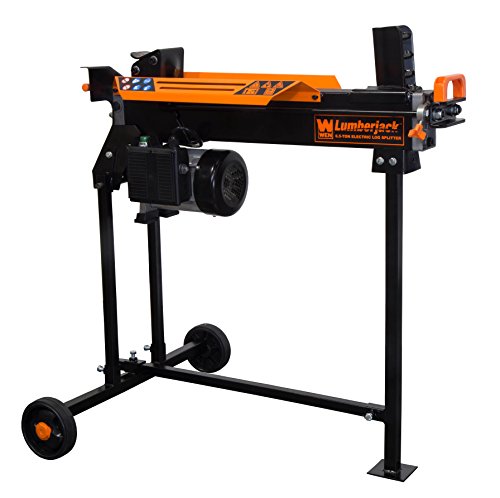
The WEN 6.5-ton electric model pairs a 15A motor with a sturdy stand, forming a portable option for contractors and homeowners. Its design emphasizes ease of transport using a pull handle and 5.5-inch never-flat wheels, enabling workers to move between job sites without heavy lifting. The user-friendly setup also includes a straightforward hydraulic ram system and two-hand safety operation. While capacity is lower than gas-powered 30-ton units, it remains a practical choice for lighter timber tasks in controlled environments such as garages, sheds, and small yards.
For best use, match the splitter to log dimensions within its rated limits and ensure power supply stability to avoid voltage drops that can slow cycling. Portable electric splitters are particularly attractive for seasonal chores and semi-urban properties where access to large, gas-powered equipment is limited.
Buying Guide: Key Considerations For 30-Ton And Heavier Log Splitters
When shopping for high-power log splitters, buyers should evaluate several critical factors to ensure the unit matches their wood-cutting needs and site conditions.
- Split force vs. log size: Higher tonnage handles larger, tougher hardwoods more efficiently. Consider typical log diameter and length, and whether you frequently process large pieces or need rapid throughput.
- Fuel type and runtime: Gas-powered splitters offer greater portability and continuous operation; electric units are cleaner and quieter but require power access. Assess worksite conditions, ventilation, and noise constraints.
- Positioning capability: Horizontal vs. vertical or dual-mode units impact ease of use with long or heavy logs. A dual-position design can reduce operator strain during repetitive cycles.
- Mobility and towing: Models with ATV/UTV compatibility or trailer-ready hitches offer on-site flexibility. Check tire size, weight, and hitch compatibility for safe transport.
- Durability and maintenance: Look for heavy-duty steel frames, robust wedges, and reliable hydraulic systems. Regular maintenance of the ram, hoses, and pump minimizes downtime.
- Safety: Two-handed controls, log cradle, and automatic return features reduce the risk of injury. Always follow manufacturer safety instructions and wear appropriate PPE.
- Footprint and storage: Consider space requirements for operation, including stand height and clearance around the unit. Storage conditions should protect against weathering and rust.
- Warranty and support: A strong warranty and readily available replacement parts simplify long-term ownership, especially for premium models in frequent use.
In practice, buyers weighing 30-ton or larger options should align the model with their typical wood types, yard setup, and transportation needs. Gas-powered units excel at work sites with limited access to power outlets, while electric models serve well for indoor or semi-outdoor usage. Dual-mode configurations offer flexibility for handling a mix of log sizes, while a robust hydraulic system supports consistent performance over time. Maintenance planning and safety training are essential components of effective usage.
Add a Comment