Choosing a 1/2 inch hydraulic hose requires considering pressure ratings, temperature tolerance, and material durability. The options below cover mixed environments—from heavy-duty construction sites to agricultural settings—so you can compare endurance, compatibility, and flexibility. This guide highlights five top choices, with brief specs and key features to help you decide which hose aligns with your hydraulic needs.
| Product | Brand | Length | Max Pressure | |
|---|---|---|---|---|
| Flexible Hydraulic Hose – 1/2″ x 100 ft | VEVOR | 100 ft | 4000 PSI | Two steel wire braids, -20°C to 140°C |
| VEVOR Hydraulic Hose – 50 Feet | VEVOR | 50 ft | 5000 PSI | 2-wire braid, -40°F to 250°F |
| KOUTIANWU 100 Ft Hydraulic Hose | KOUTIANWU | 100 ft | 5800 PSI | 1/2″ I.D., 1/2″ x 100 ft kit |
| CAMUUN 50 Ft Hydraulic Hose Kit | CAMUUN | 50 ft | 5800 PSI | Two fittings sets included, JIC/NPTF |
| Haichy 60″ Hydraulic Hose | Generic | 60 in | 3988 PSI | Male NPT to Male NPT ends |
Each option offers a balance of flexibility, durability, and compatibility with common hydraulic fluids. The following product sections provide a deeper look at five selected hoses, with direct links to the Amazon listings and visual references to help you compare at a glance.
VEVOR Flexible 1/2″ x 100 ft Hydraulic Hose

The VEVOR hose uses a synthetic-rubber inner tube with two high-tensile steel wire braid reinforcements and an outer fabric cover. It is designed to resist oil and chemicals while withstanding weather and abrasion. Working temperature range covers typical outdoor environments, and the construction supports a broad set of hydraulic fluids. This hose is suitable for construction machinery, agricultural equipment, and other hydraulic systems where long runs and steady performance are required.
VEVOR 50 Feet Hydraulic Hose, 2-Braid Design

This hose measures 50 feet in length with a 1/2 inch inner diameter and a maximum pressure of 5000 PSI. It features two high-tensile steel wire braids for robust high-pressure performance. The synthetic rubber construction offers elasticity and resistance to corrosion, making it a versatile option for mobile hydraulic setups and workshop installations where flexibility and reliability matter.
KOUTIANWU 100 Ft Hydraulic Hose with Fittings

This 100-foot kit features a 1/2 inch inner diameter and a working pressure up to 5800 PSI. The hose is built from synthetic rubber with two high-tensile steel wire braids, providing excellent resilience under load. The included fittings are carbon steel with zinc plating for improved corrosion resistance, making the assembly suitable for demanding industrial applications across petroleum and other hydraulic fluids.
CAMUUN 50 Ft Hydraulic Hose With Fittings

The CAMUUN hose is a 50-foot assembly with two-ply steel wire reinforcement and synthetic rubber construction. End fittings include JIC 37° and NPTF options, designed for high-pressure hydraulic systems. Its working pressure is rated at 5800 PSI, and the hose is designed to withstand a wide temperature range, making it suitable for industrial, automotive, and agricultural uses where high-performance fluid power is required.
Haichy 60-Inch Hydraulic Hose Swivel Assembly
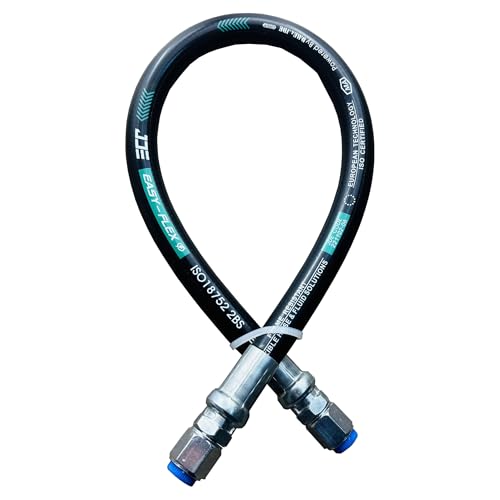
This 60-inch hose with a swivel assembly features Female JIC ends on both sides. It is designed for smooth maneuverability in tight spaces and reduces hose kinking under flex. With a working pressure around 3988 PSI, this option is well suited for light to mid-duty hydraulic tasks where flexibility and ease of routing are priorities.
Buying Guide
Key purchase considerations include hose diameter, pressure rating, temperature tolerance, and end fittings. For system compatibility, verify the hydraulic fluid type and the maximum operating pressure of your machinery. Engineered hoses with braided steel reinforcements offer superior burst resistance, while lighter designs may prioritize flexibility over extreme pressure. When choosing length, balance reach with hose weight and routing complexity; longer hoses can add drag and potential contamination risk if not properly stored.
Pressure ratings and temperature ranges determine long-term reliability. In environments with exposure to oil, solvents, or weather, select hoses with robust outer coverings and corrosion-resistant fittings. Some kits include multiple end fittings, which can simplify installation but require attention to matching NPT or JIC standards to avoid leaks. Consider assembly flexibility: straight hoses are simple but swivel assemblies help reduce torsion and wear in mobile setups.
Durability versus cost is another axis. Higher PSI ratings and dual-wire braids tend to last longer under heavy use but may come with higher upfront costs. For maintenance, inspect hoses regularly for signs of cracking, bulging, or abrasion on the outer cover. Replacing hoses before they fail reduces the risk of hydraulic fluid leaks and equipment downtime. Always follow manufacturer guidelines for temperature and pressure limits to ensure safety and performance over the hose’s lifespan.
In summary, the five options above span a range of lengths, pressures, and fittings to suit different applications—from long runs on construction sites to compact, high-pressure lines in workshop environments. Selecting the right hose involves matching the system’s operating pressure, the fluid type, the required length, and the preferred end fittings to ensure secure, durable performance.
Add a Comment