Weld-on JIC fittings provide secure, leak-resistant connections for high-pressure fuel, oil, and coolant lines. This guide highlights five top options, ideal for automotive enthusiasts, racers, and professional fabricators who need durable steel or aluminum weld bung fittings with JIC threads. Each option shows where it excels, who should choose it, and any notable limitations to consider.
| Product | Material | AN Size | Best For |
|---|---|---|---|
| AC PERFORMANCE -10 AN Male Weld On Bung Fitting Steel 2PCS | Steel | -10 AN | Heavy-duty builds, high-pressure lines |
| 2-Pack Z Whip 20AN Aluminum Male Weld on Bung | Aluminum | -20 AN | Weight-conscious, aluminum tanks |
| AC PERFORMANCE -6 AN Male Weld On Bung Fitting Steel 2PCS | Steel | -6 AN | Compact high-pressure applications |
| AC PERFORMANCE -6 AN Male Weld On Bung Aluminum, Pack of 2 | Aluminum | -6 AN | Lightweight automotive uses |
| AC PERFORMANCE -8 AN Male Weld On Bung Fitting Steel 2PCS | Steel | -8 AN | Mid-range high-flow needs |
Note: All selections are designed for welding onto compatible metal surfaces and should be installed by qualified personnel to ensure proper sealing and safety. These fittings are suitable for fuel, oil, coolant, and other AN-flare compatible lines when used with appropriate hoses and adapters.

AC PERFORMANCE -10 AN Male Weld On Bung Fitting Steel 2PCS
Features: JIC -10 AN (7/8 x 14) male weld bung, steel, pack of 2, must be welded. Best for heavy-duty installations where high-pressure lines require robust steel hardware. Suitable for fuel and oil systems in performance builds. Caution: Proper welding technique and post-weld inspection are essential to ensure leak-free operation.
Who it’s for: Builders needing a strong, welded-on, high-flow connection in demanding environments. Why selected: Steel construction provides durability for high-stress lines and aggressive applications.
2-Pack Z Whip 20AN Aluminum Weld On Bung
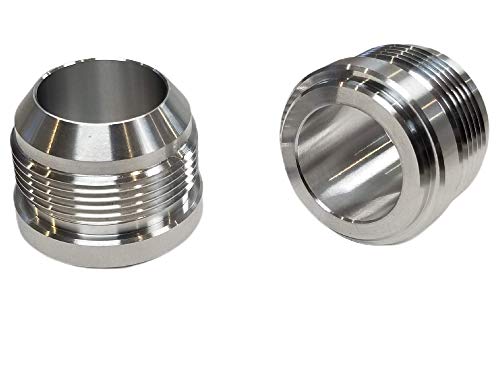
Features: 1-5/8-12 threads (1.620” diameter), aluminum, weld-on bung with 20 AN male thread; designed to be welded to aluminum tanks, radiators, or fuel cells. Best for aluminum applications where minimizing weight is important. Caution: Aluminum requires proper welding technique to avoid warping or heat-affected zones.
Who it’s for: Fabricators adding AN lines to aluminum surfaces without adding significant weight. Why selected: Lightweight aluminum construction and compatibility with 37° sealing surfaces suit many custom tanks and overflow setups.
AC PERFORMANCE -6 AN Male Weld On Bung Fitting Steel 2PCS

Features: JIC -6 AN (9/16-18) male weld on bung, steel, pack of 2, must be welded. Best for compact, high-pressure lines where space is limited. Caution: Ensure hole alignment and welding clearance fit your component design.
Who it’s for: Builders needing a robust steel bung in tighter packages. Why selected: Steel construction provides durability and stiffness for compact routes.
AC PERFORMANCE -6 AN Male Weld On Bung Aluminum, Pack of 2

Features: Pack of 2, JIC -6 AN (9/16-18) male thread weld on bung, straight, 6061-T6 CNC machined billet aluminum. Best for automotive needs including fuel, oil, gas, water, and coolant. Caution: Aluminum requires proper heat control during welding to prevent distortion.
Who it’s for: Weight-conscious installations where aluminum’s strength-to-weight ratio is beneficial. Why selected: Machined billet aluminum offers closer tolerances for precise fittings.
AC PERFORMANCE -8 AN Male Weld On Bung Fitting Steel 2PCS
Features: JIC -8 AN (3/4-16) male weld bung, steel, pack of 2, must be welded. Best for mid-range high-flow lines where robust steel hardware is preferred. Caution: Check fitment for clearance around headers and exhaust components.
Who it’s for: High-flow, mid-range operations where steel durability is needed without excessive size. Why selected: Combines reliable steel construction with common -8 AN sizing for many builds.
Buying Guide: Weld On JIC Fittings
What to consider when choosing weld-on JIC fittings:
- Material: Steel offers durability and high-temperature tolerance; aluminum reduces weight but may require careful welding to prevent distortion.
- AN size: Match your system’s flow requirements and hose/line compatibility. Higher AN numbers generally indicate larger ports and higher flow.
- Thread type and angle: Ensure proper routing and seal orientation; most JIC fittings use a 37-degree flare.
- Installation method: Welding quality matters. Seek fittings designed for welding on to the intended surface (steel vs aluminum).
- Intended fluid: Fuel, oil, coolant, or air lines may have different chemical compatibility and temperature needs.
- Space and clearance: Some bung styles are bulkier; verify space around mounting areas like tanks, radiators, or pans.
Practical questions to guide your selection
- Which material should I choose for a performance build—steel or aluminum?
- Is weight a priority in my application, or is maximum durability the top concern?
- What AN size do I need for the expected flow and hose compatibility?
- Do I require a welded-on bung, or would a bulkhead or push-on fitting suit my install better?
- Are there space limitations around the mounting area that affect bung size?
FAQ
- Q: Can weld-on JIC fittings be used for fuel lines?
A: Yes, when compatible with the fuel system and proper sealing methods are followed. - Q: Do these fittings require any special tools to install?
A: Welding equipment and proper clamps are typically needed for installation onto metal surfaces. - Q: Are there safety considerations for welding bung fittings near fuel lines?
A: Yes; follow standard safety practices to prevent ignition and ensure leak-free connections after cooling. - Q: Which AN size should I choose for high-flow applications?
A: Larger AN sizes (e.g., -10, -20) generally provide higher flow, but ensure hose and tank compatibility. - Q: Do these fittings come with seals or gaskets?
A: JIC fittings use 37-degree flares; ensure proper threading and seating with compatible seals or flare surfaces. - Q: Can I mix steel and aluminum bung fittings in the same system?
A: Mixing metals is possible with compatible seals, but consider galvanic corrosion and thermal expansion effects.
Add a Comment