Answering the need for dependable waste oil transfer, these pumps cover a range from portable 12V extractors to robust 110V electric and pneumatic models. They’re suited for mechanics, fleets, boats, and workshop setups where fast, controlled oil handling matters. This guide highlights five top options, with clear notes on who each is best for and why it was selected.
| Product | Best For | Why It Made the List |
|---|---|---|
| BLACKHORSE-RACING Self Priming 110V | Small to medium shops, home garages | Good balance of flow (20-60 L/min) and 110V reliability for general oil transfer tasks. |
| VEVOR Air Operated Diaphragm Pump | Rigid requires, high-head transfer | Industrial-grade pneumatic option with high flow (44 GPM) and strong corrosion resistance. |
| FAITIO 12V Oil Extractor | On-the-go, valve-to-tank transfers | Compact 12V with all-copper construction for lower power use and steady output. |
| TIGEROAR 110V Electric Fuel Transfer | Mid-to-large capacity tasks | Solid 18 GPM performance with strong lift, cast aluminum housing for durability. |
| PEAYLI QBY4-25L | Industrialized, high-volume transfers | 1-inch ports, 12 GPM, robust Nitrile/Fluorine rubber diaphragms for rugged use. |
BLACKHORSE-RACING Self Priming 110V Oil Transfer Pump
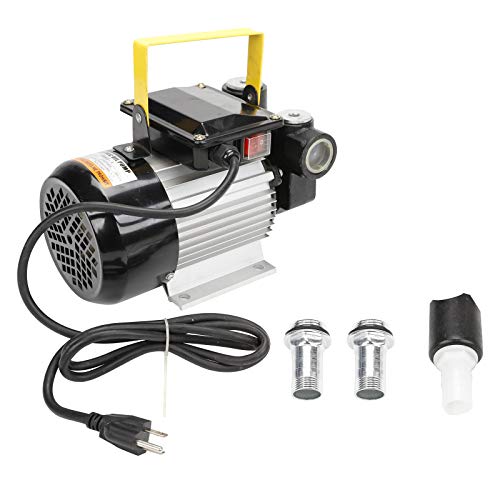
- Brand: BLACKHORSE-RACING
- Flow: 20-60 L/min (5.25-15.75 GPM)
- Motor: 110V AC, 550W, 60 Hz, Self Priming
Best for: Small shops or home garages needing an affordable, reliable electric pump for frequent short transfers. This model’s self-priming capability simplifies setups where the source tank sits at ground level or slightly above.
Reason for selection: It provides a straightforward, versatile option with a moderate to high flow range and standard 110V compatibility, making it a practical all-around choice.
Limitation: Flow varies with head pressure; at the upper end of the range, keeping the pump cool may require brief rest periods during continuous use.
VEVOR Air Operated Double Diaphragm Pump

- Brand: VEVOR
- Flow: 44 GPM; Max PSI: 115; Lift: 226 ft/69 m
- Diaphragm: Premium PTFE; Aluminum alloy housing
Best for: Industrial or workshop environments with corrosive fluids or demanding duty cycles. The dual-diaphragm design and corrosion-resistant materials support heavy use.
Reason for selection: Combines high flow with robust materials and a proven pneumatic drive, making it a strong candidate where electricity is inconvenient or where dry-running is a concern.
Limitation: Requires an air compressor and compatible plumbing; higher upfront setup complexity compared to electric pumps.
FAITIO 12V Oil Extractor Pump
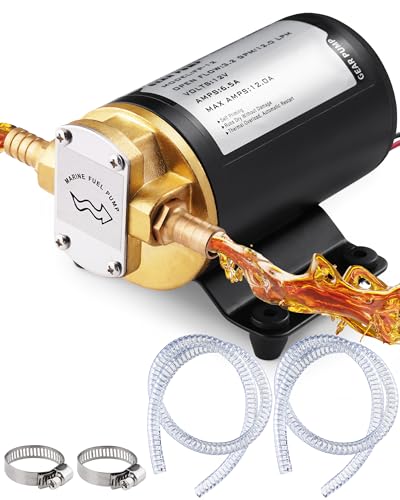
- Brand: FAITIO
- Flow: 3.2 GPM; 12V DC
- Construction: All-copper motor, impeller, and pump head
Best for: Mobile technicians, boats, or small workshops needing a compact extractor that can still handle thicker oils (like 80W-90) with lower power consumption.
Reason for selection: Its all-copper design supports efficiency and durability in portable applications where 12V power is readily available.
Limitation: Not ideal for long, high-volume transfers; best suited for occasional accessory jobs or smaller reservoirs.
TIGEROAR 110V Electric Transfer Pump

- Brand: TIGEROAR
- Flow: 18 GPM; Lift: up to 49 ft; 1/2 HP motor
- Construction: Cast aluminum housing; copper motor
Best for: Mid-to-large capacity tasks where a stronger lift and higher head are needed, such as transferring from tall containment or elevated tanks.
Reason for selection: Combines robust mechanical design with practical lift and head capabilities for more demanding setups.
Limitation: Heavier than compact 12V options; portability is reduced in tight spaces.
PEAYLI QBY4-25L Air Diaphragm Pump

- Brand: PEAYLI
- Flow: 12 GPM; Inlet/Outlet: 1/2 inch; PSI: 115
- Diaphragm: PTFE, Nitrile Rubber; Body: Cast Iron/Aluminum
Best for: Industrial users needing a reliable air-driven option with good head and compatible ports for standard fittings.
Reason for selection: Offers strong head and solid construction with a fouling-resistant diaphragm mix, suitable for busy workshop environments.
Limitation: Not ideal for truly corrosive liquids; ensure compatibility with the fluids being transferred.
PEAYLI QBY4-25L Alternative

- Brand: PEAYLI
- Flow: 12 GPM; Inlet/Outlet: 1/2 inch; Max Head: 275 ft
- Diaphragm: PTFE; Construction: Cast iron/aluminum alloy
Best for: High-head, heavy-duty chemical transfer tasks where a robust diaphragm system is beneficial. The design supports higher lift without excessive pulsation.
Reason for selection: The higher head capability complements installations with significant vertical lift requirements.
Limitation: As with other diaphragms, ensure chemical compatibility and avoid highly corrosive liquids if not explicitly rated for them.
Buying Guide: Key Purchase Considerations
What type of pump should you choose? Electric pumps (110V) are common for fixed workshop use and higher flow, while 12V units excel in mobile setups. Pneumatic diaphragm pumps handle aggressive fluids and high-head tasks but require an air supply. Consider the following:
- Flow rate vs. head: Higher GPM is useful for quick transfers, but ensure the pump can push fluid to the desired height (lift).
- Fluid compatibility: Check diaphragm and seal materials (PTFE, nitrile, fluorine rubber) for resistance to diesel, kerosene, biodiesel, or other fluids.
- Power source and portability: If you need on-site flexibility, choose a lightweight 12V extractor or a compact 110V model for stationary use.
- Durability and maintenance: Cast iron or aluminum housings with quality diaphragms reduce downtime in harsh environments.
- Installation considerations: Inlet/outlet sizes (1/2″ to 1″) should fit existing hoses and fittings; consider whether you need additional adapters.
- Duty cycle and cooling: High flow can generate heat; ensure the pump supports the intended use duration with adequate cooling or duty cycling.
Practical Comparison Snapshot
- Best overall for workshops: 110V electric pumps offer reliable power and good flow; look to BLACKHORSE-RACING or TIGEROAR for solid all-round performance.
- Best for heavy-duty industrial use: VEVOR diaphragm pump with high PSIs and PTFE diaphragms.
- Best for on-the-go applications: FAITIO 12V provides portability and efficiency for smaller tasks.
- Best for high-head applications: PEAYLI QBY4-25L variants deliver strong lift and durable diaphragms.
Frequently Asked Questions
- What is considered a good flow rate for waste oil transfer? A range of 18–60 L/min (5–15 GPM) covers most workshop needs for small to mid-sized tasks.
- Are diaphragms better than impeller pumps for waste oil? Diaphragm pumps handle thicker, dirty fluids more reliably and resist clogging, especially in pneumatic designs.
- Can I use these pumps with gasoline? Most listed models are designed for diesel, kerosene, biodiesel, and lubricants. Do not use with gasoline unless explicitly rated for it.
- Do I need an air compressor for pneumatic pumps? Yes, pneumatic pumps require a compatible air supply to operate effectively.
- How important is lift height? If your source tank is above the discharge point, ensure the pump provides enough lift to overcome gravity and head pressure.
- Is self-priming essential? Self-priming is convenient for setups where the pump sits away from the liquid source or after piping runs.
Add a Comment