Finding the right fuel cell mounting kit depends on your fuel cell size, vehicle type, and mounting preferences. This guide highlights five top options ideal for American drivers seeking solid, vibration-resistant mounts that align with common 15–20 gallon and standard 12–15 gallon cells. Each entry explains who it’s best for, why it’s a strong fit, and any limits to consider. The summaries below also help you compare fitment, material, and mounting style at a glance.
| Product | Best For | Key Benefit |
|---|---|---|
| Motobilt Fuel Cell Mount for 30x12x12 | Builders needing a heavy-duty under-tank plate | Premium steel, CNC-cut, bolt-on kit |
| RCI Fuel Cell Mount, 20×10 | RCI 15 gal aluminum cells | Precise fit, compact footprint |
| RCI Fuel Cell Mount, 12×9 | Flexible fit with various cells | Pre-bent, heavy-gauge steel |
| Barnes 4WD 2161A Mounting Bracket | Even load distribution across larger cells | Sturdy, 16ga steel with 10ga bottom brackets |
| GBGS 4 Pack Aluminum Gusseted Tabs | Lightweight, adjustable mounting points | Aluminum 5052 with predrilled slots |
Motobilt Fuel Cell Mount For 30 x 12 x 12
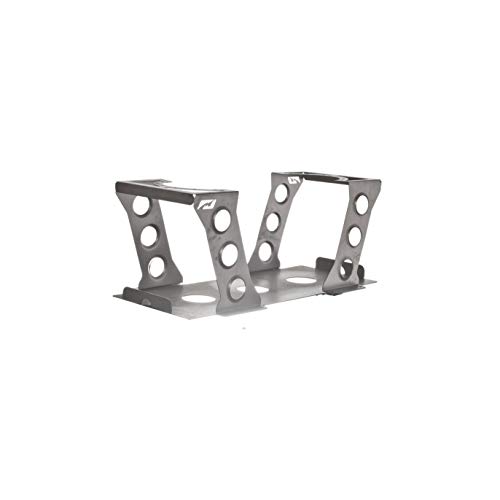
The Motobilt mount is designed for a 30 x 12 x 12 fuel cell, with a CNC laser-cut 16-gauge steel construction and press-brace forming. It features an under-tank plate cut from .125 inch high-strength steel and ships bare metal for painting or powder coating. Bolts are not included, and the kit does not include the fuel cell. This option is best for builders who want a rugged, customizable base and are comfortable finishing the surface themselves. Best for: skilled fabricators requiring a strong, OEM-like mounting solution. Caution: ensure your top-of-cell dimensions match before ordering to avoid fitment issues.
RCI Fuel Cell Mount, 20 x 10 – 15 Gal Aluminum Cell

Designed for the RCI 15 gal aluminum cell, this kit measures 20 in wide by 10 in tall and ships as a complete mounting solution. It uses aluminum-friendly integration for compact installations and is suitable for users who prioritize a light but rigid mounting system. Best for: owners with RCI 15 gal cells seeking a ready-to-go kit with minimal additional fabrication. Limitation: only specific to the intended RCI 15 gal cell geometry; verify compatibility with your exact fuel cell model before ordering.
RCI Fuel Cell Mount, 12 x 9 – Versatile Aluminum/Steel Fit

This mount is compatible with any size fuel cell made by RCI, using heavy-gauge steel with pre-bent geometry for precise fitment. Mounting hardware is included, simplifying installation. Best for: users needing a flexible, robust mounting solution that can support multiple cell sizes. Caution: confirm the exact cell top geometry to ensure full compatibility with your model.
Barnes 4WD 2161A Fuel Cell Mounting Bracket
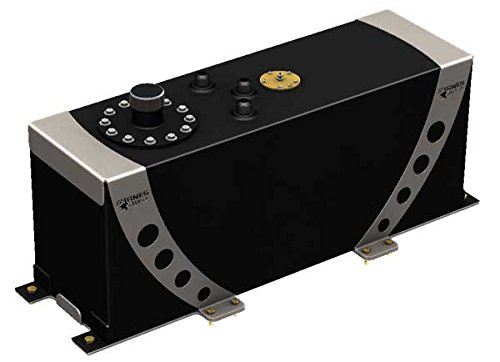
The Barnes 2161A bracket distributes mounting load evenly across a larger fuel cell area, boosting longevity. Fabricated from 16-gauge steel with bottom brackets of 10-gauge steel, this mount emphasizes durability. Best for: heavier, larger cells that need an even load distribution to reduce point stress. Limitation: may require more alignment during install due to its heavier construction.
GBGS 4 Pack Aluminum Gusseted Mounting Tabs

GBGS offers a lightweight, versatile mounting option with four 2″x2″x2″ aluminum gusseted tabs made from 5052 aluminum. The 1/8 inch (3 mm) thickness and 10×16.4 mm slotted holes accommodate 3/8 inch bolts, enabling flexible placement. Best for: projects needing a modular, corrosion-resistant solution. Caution: aluminum tabs may not provide the same load-bearing capacity as heavier steel mounts in high-stress conditions.
Buying Guide
What should you consider when choosing a fuel cell mounting kit?
- Fuel cell size and shape: Ensure the kit matches the exact dimensions of your cell to avoid clearance issues.
- Material and weight: Steel mounts are very strong; aluminum options save weight but may offer less rigidity in extreme mounts.
- Installation surface: Under-tank plates require space and proper surface preparation for coatings to prevent corrosion.
- Included hardware: Some kits omit bolts or hardware; verify what’s included to prevent delays.
- Finish and corrosion resistance: Powder-coated, zinc-plated, or anodized finishes extend life in fuel environments.
- Flexibility for future changes: Modular tabs and adjustable brackets ease future upgrades or changes in fuel cell size.
Frequently Asked Questions
- What mounting material is best for off-road use? – Steel mounts generally provide superior rigidity and resistance to flex under vibration, making them a common choice for off-road setups.
- Do I need hardware with the kit? – Many kits ship without bolts; check the product listing and plan to purchase compatible mounting hardware separately.
- Can I mix mounting brackets from different brands? – It’s possible but not always recommended. Check compatibility with your fuel cell model and mounting pattern.
- How do I prevent fuel leaks around mounts? – Ensure proper sealing and secure fasteners, and follow the fuel cell manufacturer’s guidance for mounting torque.
- Is a lighter mounting option suitable for racing? – Lighter aluminum mounts can reduce weight but may trade some rigidity; choose based on the expected load and vibration.
- What is the best way to paint or coat bare metal mounts? – Use high-quality automotive-grade paints or powder coats designed for metal in a fuel environment to resist corrosion.
Add a Comment