For those shopping for steel rolling mills, the top picks here serve different needs: compact hobby setups, professional studios, and durable, all-metal builds. This guide highlights five strong options, explaining who they suit best and why they’re worth considering. Use the table to compare core specs at a glance, then dive into each product’s details.
| Product | Roller Size | Construction | Best For |
|---|---|---|---|
| PepeTools Combination Rolling Mill Ultra | 90 mm | Alloy/aluminum gear box, precision gears | Small shop or pro bench with mixed sheet and wire work |
| PepeTools 187_00A Ultra Series | 90 mm | One-piece ductile frame, precision gears | Heavy-duty daily use; durable, reliable mill |
| PepeTools 188.00A Ultra Series | 110 mm | Solid precision steel body, mirror-finished, black anodized | Pro-style rolling with larger capacity |
| Durston 110mm Agile Combination | 110 mm | Induction-hardened rolls; lighter frame | Balanced mix of performance and maneuverability |
| CHENGYAN Upgrade Manual Rolling Mill | 75 mm / 3″ Roller | DC 53 steel; true gear reduction | Entry-level bench mill; smooth operation |
PepeTools Combination Rolling Mill Ultra

The PepeTools Ultra combines 90 mm rollers with a 4:1 reduction gear box machined from aircraft-quality aluminum. Rollers are precision hobbed from solid steel and hardened to 65HRC, and the maximum opening is 0–5 mm. This model is best for hobbyists or small studios that work with both sheet metal and wire and value a compact, rugged build. The design emphasizes durable gears and a mirror-finished surface for clean passes. Potential limitation: smaller opening range than some larger mills, which may constrain thicker stock.
PepeTools 187_00A Ultra Series

This model offers a 90 mm wide by 42.6 mm diameter roller set that’s mirror-finished and induction-hardened to 65HRC, with a 0–5 mm opening. The rolling mill body is a single piece of precision ductile steel for high strength, and the 4:1 reduction gear box is anodized for durability. It’s best for users seeking a robust, all-metal roller with a strong, stable frame for frequent use. Caution: the larger, heavier build may require more bench space and stronger mounting.
PepeTools 188.00A Ultra Series

The 188.00A raises the bar with 110 mm wide x 55 mm diameter rollers, intrinsically polished and induction-hardened to 65HRC. The four-to-one gear box is made from aircraft-quality aluminum, finished in black for durability, and the one-piece precision steel body promises ultra strength. The handle is forged (not cast) and ergonomically shaped for long sessions. Best for serious jewelers who need greater rolling width and a high-quality finish. Limitation: heavier than smaller mills, requiring more bench support.
Durston 110mm Agile Combination

Durston’s Agile design emphasizes a lighter frame without compromising the 110 mm wide rolls and 4 half-round grooves plus 50 mm flat area. The rolls are induction-hardened to 64 RC, and the main barrel depth ensures longevity. It’s a strong choice for users who need a versatile mill that’s easier to maneuver on a busy bench. Better for studios that juggle multiple projects; avoid if you require a very compact unit for tiny spaces.
CHENGYAN Upgrade Manual Rolling Mill
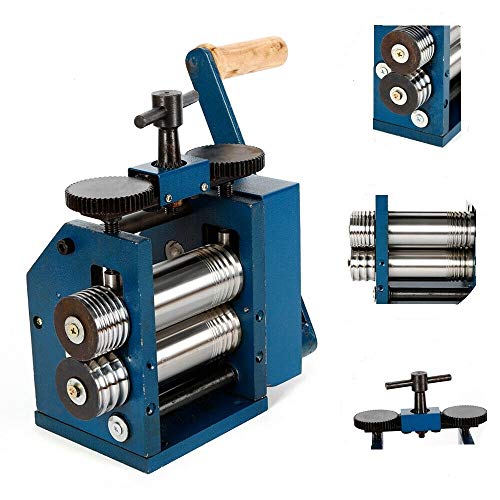
The CHENGYAN upgrade version is a 3″ (75 mm) manual combination rolling mill. It features two smooth hardened steel rolls, a true gear reduction, and corrosion-protective powder coating. It’s a solid entry-level option for beginners or hobbyists who want a dependable mill with a familiar two-roll design. Limitation: smaller roller width and fewer groove options may constrain more advanced users seeking wide sheet work.
Buying Guide
Key considerations when choosing a steel rolling mill:
- Roller width and opening: Larger widths support thicker stock and broader sheets; smaller units fit compact benches but limit material size.
- Material and construction: Look for solid steel bodies or ductile frames for durability; industrial-grade gears reduce slippage and wear.
- Gear reduction and ease of use: A 4:1 reduction is common; smoother gear action reduces hand fatigue during long sessions.
- Roller finishing and hardness: Mirror finishing and induction hardening to 65HRC provide durability and a clean finish on metal passes.
- Ergonomics and handling: A well-designed handle (preferably forged rather than cast) and a comfortable grip improve usability.
- Maintenance and compatibility: Check for replaceable parts and availability of spare rollers or gears if your project evolves.
Frequently Asked Questions
- What should I look for in a beginner rolling mill? Look for a stable frame, simple two-roll design, and accessible replacement parts.
- Are larger diameter rollers better? They handle larger stock more easily but require more bench space and force to operate.
- Is induction hardening important? Yes, it increases wear resistance and extends roller life under frequent use.
- Can I use these mills for sheet and wire? Many are designed for both, but check groove options and maximum opening to confirm compatibility.
Add a Comment