When selecting an industrial-grade submersible sump pump, prioritize high flow rates, durable construction, and reliable automaticOperation. This guide highlights five robust options ideal for basements, flood recovery, pools, ponds, and large sump pits. Each product is suited to different needs—from heavy-duty continuous drainage to compact, high-efficiency setups. Read on to compare features, best-use scenarios, and practical tradeoffs to help you choose the right pump for your space and budget.
| Product | Best For | Key Feature |
|---|---|---|
| 6699 Sump Pump Submersible 7000GPH | Large flooded areas, pools, and ponds | 7000 GPH, 1.5HP, 16 ft cord |
| WAYNE CDU980E 3/4 HP | Basement drainage with compact pits | 5490 GPH, cast iron & stainless steel |
| AQUASTRONG 1 HP Sewage Grinder | Basement sewage and ejector systems | 4200 GPH, 2″ discharge, solids up to 2″ |
| FOTING 1HP Clean/Dirty Submersible | Pool, pond, and multi-purpose transfer | 4600 GPH, 10 ft cord, thermoplastic |
| 6699 1HP Portable Sump Pump | High-flow, quick draining | 5000 GPH, adjustable low/high mode |
6699 Sump Pump Submersible 7000GPH
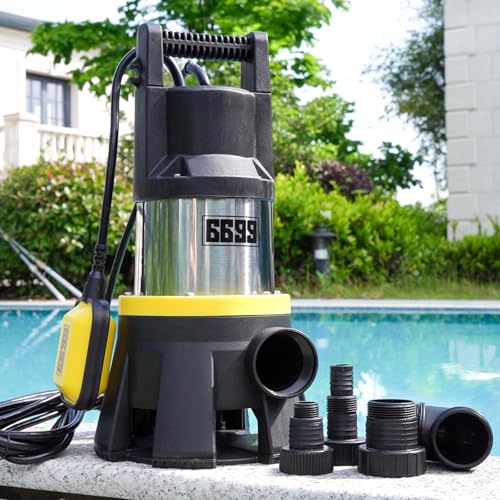
This 1.5HP submersible pump delivers up to 7000 GPH, making it suitable for large-scale water removal tasks such as flooded rooms, pool drainage, or pond emptying. Its 16-foot power cord offers flexible placement, and the automatic float switch starts and stops pumping as water levels change. The stainless steel (304) housing enhances durability and cooling, important for prolonged high-flow operation. Best for: commercial basements or garages with significant water influx where rapid drainage is required. Limitation: higher energy use and noise should be anticipated in continuous operation scenarios.
WAYNE CDU790-1/3 HP Submersible Sump Pump

Designed for indoor basement use, this 1/3 HP Wayne pump moves up to 4600 GPH with a cast-iron volute and corrosion-resistant housing for long life in challenging sump environments. Its top-suction design minimizes air locks and reduces debris clogging, which helps sustain flow when dealing with rain-driven or rapid meltwater. Best for: smaller basements or crawlspaces needing reliable, compact performance. Limitation: lower flow compared to higher-horsepower models, so not ideal for very large flood scenarios.
WAYNE CDU980E 3/4 HP Submersible Sump Pump

This 3/4 HP model balances power and efficiency with a high flow rate of 5490 GPH. Its cast iron and stainless steel construction provide durability for frequent drainage events, while the integrated vertical float switch supports automatic operation in narrow pits. Best for: mid-sized basements or utility rooms that require dependable, steady drainage. Limitation: heavier and more expensive than smaller 1/3 HP units.
FOTING 1.5HP 9000GPH Sump Pump

With a heavy-duty cast iron construction and a 1.5HP PSC motor, this FOTING unit delivers up to 9000 GPH and a maximum lift of 29 feet. The adjustable tethered float switch supports auto/manual operation, and a 10-foot power cord helps with versatile placement. Best for: large basements or commercial spaces requiring robust performance and higher lift. Limitation: higher price point and heavier weight may require extra setup planning.
6699 Submersible Sump Pump 1HP Portable

This portable option offers up to 5000 GPH with an adjustable base to toggle between low water level mode and high-flow mode. It is designed for quick, flexible drainage in pools, ponds, hot tubs, or flooded spaces. Best for: rapid response scenarios where you want adjustable flow without tools. Limitation: not as durable as permanently installed units for long-term heavy use.
Buying Guide
Choose based on flow needs, duty cycle, and installer-friendly features. Consider these factors:
- Flow rate vs. lift: Larger floods demand higher GPH; ensure the maximum head height meets your vertical distance requirements.
- Construction: Cast iron and stainless steel housings resist corrosion and heat from heavy duty pumping; thermoplastic housings save weight but may wear faster.
- Automatic operation: Float switches or electronic sensors enable hands-off drainage. Verify compatibility with your sump pit size.
- Discharge size and fittings: Ensure 2″ or 2″ NPT compatibility if you have standard hoses or piping.
- Power and cord length: Longer cords provide placement flexibility but require safe electrical sourcing and GFCI protection in damp locations.
- Maintenance needs: Debris tolerance and clog resistance reduce downtime; look for pumps with non-clogging impellers or easy-clean bottoms.
FAQ
- What is a practical flow rate for a mid-sized basement?
Typically 4000–6000 GPH covers most mid-sized basements, especially during heavy rainfall or rapid snowmelt. - Should I choose a cast iron or stainless steel pump?
Cast iron provides durability and heat tolerance; stainless steel offers excellent corrosion resistance in damp environments. - Is automatic operation essential?
Yes, for unattended drainage, especially in basements or crawlspaces prone to flooding. - Can these pumps handle solids?
Some models tolerate solids up to 1–2 inches (or more for grinder pumps); verify the discharge size and impeller design for your debris profile. - What maintenance is required?
Periodic cleaning of the impeller and strainers, checking the float switch, and ensuring power connections remain dry and secure. - How do I select the right hose size?
Match the pump’s discharge outlet to your hose diameter; larger flow rates generally require wider outlets to prevent bottlenecks.
Add a Comment