Answering your search for a reliable 250 gallon chemical tote, this guide highlights five top options with clear distinctions. These tote formulations optimize heat transfer, freeze protection, and system protection for hydronic and fluid transfer needs. The best fit depends on your fluid type, temperature range, and whether you prioritize premix ease or high glycol concentration. The top picks below are suitable for industrial buyers such as facility managers, chemical processors, and HVAC technicians seeking dependable containment and performance.
| Product | Concentration | Best For |
|---|---|---|
| WINTREX Premix 40%, 250 Gallon Tote | 40% Ethylene Glycol | Mix-and-run heat transfer with visible leak detection |
| WINTREX Concentrate, 250 Gallon Tote | 96% Ethylene Glycol | Maximum heat transfer efficiency |
| SAFE-T-THERM HD Concentrate, 250 Gallon Tote | 95% Propylene Glycol | Freeze protection and corrosion resistance |
| SAFE-T-THERM HD Premix 40%, 250 Gallon Tote | 40% Propylene Glycol | Balanced protection with easy handling |
| SAFE-T-THERM GRAS Premix, 250 Gallon Tote | 40% Propylene Glycol | Food-grade processing and leak visibility |
WINTREX Premix 40%, 250 Gallon Tote

This tote contains 40% ethylene glycol, designed for effective heat transfer and freeze protection. It is paired with 60% performance additives and water to optimize system performance. The liquid has a clear, fluorescent yellow color for easy leak detection and identification. Best for facilities needing reliable heat transfer with straightforward identification, especially where premixed glycol is preferred for quick deployment.
Who it’s best for: operations seeking a ready-to-use premix with visible dye for leak spotting and predictable performance. Why selected: its balanced composition supports consistent heat transfer and system protection with simple handling. Caution: premixed solutions may offer less adjustability for unique system temperatures compared to pure concentrates.
WINTREX Concentrate, 250 Gallon Tote

This concentrate features 96% ethylene glycol for maximum heat transfer efficiency. It includes 4% performance additives and water for enhanced system protection, and displays a clear, fluorescent yellow color for leak detection. Best for systems requiring peak heat transfer performance and strong freeze protection, particularly in demanding environmental conditions.
Who it’s best for: facilities prioritizing top-tier heat transfer efficiency and robust protection. Why selected: higher glycol concentration supports rapid temperature management. Caution: higher glycol content may demand careful handling and ventilation in some environments.
SAFE-T-THERM HD Concentrate, 250 Gallon Tote

This concentrate uses 95% propylene glycol, offering superior freeze and corrosion protection in hydronic systems. It pairs with 5% designed corrosion inhibitors and water to enhance system protection. The liquid shows a clear, orange color for easy leak detection. Best for systems where propylene glycol is preferred due to lower toxicity and environmental considerations.
Who it’s best for: facilities prioritizing safe, consumer-friendly glycol with strong corrosion resistance. Why selected: propylene glycol provides a safer alternative to ethylene glycol in some applications. Caution: may require adjustments for specific heat transfer profiles compared to higher glycols.
SAFE-T-THERM HD Premix 40%, 250 Gallon Tote
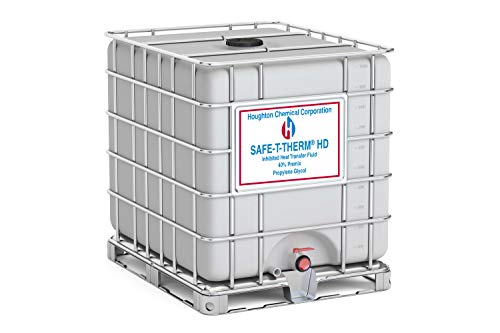
This premix uses 40% propylene glycol for effective freeze and corrosion protection, combined with 60% performance additives and water for enhanced system protection. The liquid has a clear, orange coloring for leak detection and visual identification. Best for users who want reliable protection with premixed convenience and visible safety cues.
Who it’s best for: buyers seeking a balanced premix with reliable freeze protection and orange leak visibility. Why selected: premix simplifies stocking and mixing while providing consistent protection. Caution: premix formulations may be less adaptable to unusual operating temperatures than pure concentrates.
SAFE-T-THERM GRAS Premix, 250 Gallon Tote

This GRAS-premixed solution contains 40% propylene glycol with 60% performance additives and water, designed for easy leak detection via orange coloring. It is suitable for food-grade environments and processes requiring leak visibility and stable heat transfer. Best for facilities needing GRAS-compliant materials in processing lines and clean production settings.
Who it’s best for: food and beverage or pharmaceutical operations needing compliance-friendly glycol solutions. Why selected: combines GRAS suitability with reliable premix performance. Caution: work within GRAS guidelines and ensure compatibility with existing equipment and seals.
Buying Guide: Key Considerations For 250 Gallon Totes
What should you evaluate when choosing a 250 gallon tote? Consider concentration type (ethylene glycol vs propylene glycol), premix vs concentrate, color-dyed liquids for leak detection, compatibility with your system materials, and the intended application (heat transfer, freeze protection, or corrosion control).
What type of glycol should you choose?
Ethylene glycol offers strong heat transfer and freeze protection but has toxicity considerations. Propylene glycol is less toxic and often preferred in food-grade or consumer-facing environments. For critical heat transfer, higher glycol content improves performance, but may require more careful handling and disposal.
Premix vs concentrate
Premix provides ready-to-use solutions with visible leak indicators. Concentrates offer flexibility to tailor the glycol concentration to specific temperature ranges but require on-site mixing and precise handling. Choose premix for speed and simplicity; choose concentrate if you need to customize performance.
Color and leak detection
Bright colors (orange or fluorescent yellow) help identify leaks quickly. When selecting a tote, consider whether the liquid’s dye aids maintenance routines or requires color-coded safety procedures.
System compatibility and safety
Verify that the chosen tote fluid is compatible with your system metals, gaskets, seals, and coatings. Propylene glycol is generally safer for non-toxic environments, while ethylene glycol can offer stronger heat transfer in certain setups. Follow all relevant safety data and handling guidelines.
Application and environment
Assess your environment’s temperature range, ventilation, and potential exposure to running water or outdoor conditions. If you operate in refrigerated spaces or outdoor facilities, a higher glycol concentration may be advantageous for freeze protection, while urban facilities may benefit from easy leak visibility features.
FAQ
- Which 250 gallon tote is best for heat transfer? The WINTREX Concentrate with 96% ethylene glycol provides maximum heat transfer efficiency, making it ideal for demanding HVAC and process cooling needs.
- Is premix safer to handle than concentrate? Premix offers ready-to-use solutions with easier handling and leak visibility, which helps reduce on-site mixing errors and simplifies maintenance.
- What glycol is preferred for food-grade environments? Propylene glycol is commonly preferred for GRAS or food-grade applications due to lower toxicity, though check local compliance and process requirements.
- Can I mix different glycols in the same system? Mixing glycols is generally not recommended unless specified by the manufacturer. Always consult system guidelines and perform compatibility checks.
- What if I need better leak detection? Choose a colored formulation (orange or fluorescent yellow) and a container with robust dye visibility to quickly identify leaks during inspections.
- Do these totes require special storage? Store in a shaded, ventilated area away from direct sunlight and extreme temperatures to maintain fluid integrity and prevent dye fading.
Add a Comment