When you need precise, real-time flow data in high-pressure hydraulic or industrial fluid systems, choosing the right high pressure flow meter matters. This guide highlights five top options, each selected for reliability, accuracy, and suitability for demanding environments. Whether you’re upgrading a heavy-duty hydraulic circuit or monitoring water and fuel lines in rugged settings, these meters help you keep systems efficient and safe. The buyers below are best for professional installers, maintenance technicians, and engineers seeking robust measurement tools.
| Product | Key Benefit |
|---|---|
| High-Pressure Inline Flow Meter (0-48 GPM, 6000 PSI) | Broad range, extreme-pressure tolerance |
| High-Pressure Inline Flow Meter (1.5-32 GPM, 5000 PSI) | Versatile for mid-range flows |
| PRM 1-1/2″ Brass Totalizing Water Meter | Pulse output for automation |
| GRYVOZE 1″ Digital Turbine Flow Meter | Accurate readings for multiple liquids |
| OTC 4277 Hydraulic Flow Meter | Industrial-grade flow testing |
High-Pressure Inline Flow Meter — 0-48 GPM, 6000 PSI
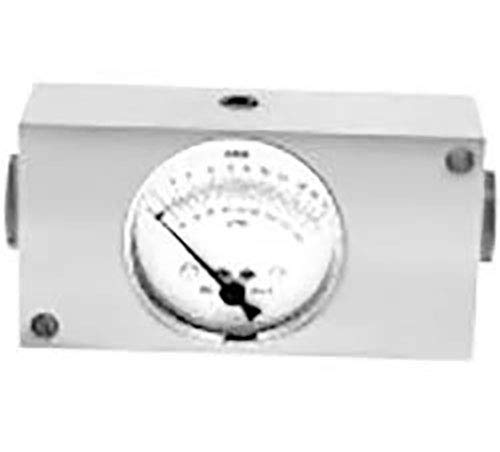
Best for high-precision hydraulic systems operating at extreme pressures. This meter covers a wide 0-48 GPM flow range and is rated up to 6000 PSI, enabling accurate real-time monitoring in demanding equipment. Use this when you need dependable data to optimize performance and detect anomalies quickly. Best for: large hydraulic presses, construction machinery, and aerospace hydraulic subsystems that require rugged, accurate flow data. Caution: ensure compatible fittings and seals for your specific fluid to maintain accuracy and safety.
High-Pressure Inline Flow Meter — 1.5-32 GPM, 5000 PSI

Best for versatile hydraulic circuits with mid-range flow needs. This meter handles 1.5 to 32 GPM and tolerates up to 5000 PSI, offering precise measurements where compact size and reliability matter. Choose this if your system flows vary moderately or you’re retrofitting mid-size equipment. Caution: not the best choice for ultra-high-pressure scenarios exceeding 5000 PSI.
PRM 1-1/2 Inch Brass Totalizing Water Meter

Best for automated water usage tracking in clean, cool-to-warm water systems. This totalizing meter features a pulse output for easy integration with control systems and precise rate indication via a sealed dry dial. It’s well-suited for municipal, agricultural, or industrial water monitoring. Best for: systems requiring simple pulsed signals for automation. Limitation: not designed for exposed or highly contaminated environments; protect the dry dial from dust and moisture.
GRYVOZE 1 Inch Digital Turbine Flow Meter

Best for precise digital readings across multiple liquid types. This meter offers ±1% accuracy and supports several units (Gal, QTS, PTS, L, m³). It’s suited for water, diesel, gasoline, and similar liquids in sheltered locations. Choose this if you need a clear LCD display and flexible unit options. Caution: not water-tight; avoid rain or humidity exposure to protect electronics.
OTC 4277 Hydraulic Flow Meter

Best for industrial and agricultural hydraulic testing. This meter supports 4 to 54 GPM with robust design rated for up to 6,000 PSI and high-temperature tolerance. It provides reliable accuracy for flow testing in demanding environments. Best for: field testing and calibration of hydraulic circuits. Caution: ensure calibration and installation align with your system’s pressures to avoid measurement errors.
Buying Guide: High-Pressure Flow Meters
Key considerations help you select the right meter for your system:
- Pressure rating: Match the meter’s PSI rating to your system’s maximum pressure to avoid damage and ensure accurate readings.
- Flow range: Choose a model whose range covers your typical operating flow to prevent data gaps or saturation.
- Fluid compatibility: Verify that the meter materials are compatible with the liquids you measure (water, hydraulic oil, fuels, etc.).
- Output and integration: Pulse outputs or digital displays facilitate automation and data logging in control systems.
- Installation environment: Consider weather, humidity, and exposure to contaminants. Some meters are better suited for sheltered or indoor installations.
- Measurement type: Inline turbine meters offer dynamic readings; totalizing or pulsed meters support usage tracking and automation.
- Accuracy and calibration: Look for documented accuracy ranges and stable readings under your operating conditions.
- Maintenance: Debris prevention, internal strainers, and easy access for servicing extend meter life in harsh environments.
FAQ
- What is a high-pressure flow meter best used for?
They’re designed for accurate real-time flow data in systems with elevated pressures, such as heavy hydraulic machinery, industrial presses, and high-pressure fluid circuits.
- How do I choose the right flow range?
Match the meter’s range to your typical operating flow. A meter with too narrow a range may saturate; too broad a range can reduce resolution.
- Are pulse-output meters suitable for automation?
Yes. Pulse or digital outputs enable integration with PLCs and control systems for automatic monitoring and data logging.
- Can these meters handle water and oil together?
Some meters are designed for multiple liquids, but always verify chemical compatibility and temperature limits for your specific fluids.
- What maintenance is required for high-pressure meters?
Regular inspection for leaks, debris buildup, and sensor integrity; periodic calibration if the system requires high-precision data.
- Is installation indoors or outdoors a factor?
Many meters are intended for sheltered locations; outdoor exposure may require weatherproof housing or protective enclosures.
Add a Comment