When handling liquid nitrogen or dry ice, choose cryogenic gloves that combine low-temperature resistance with comfortable fit. This guide highlights five gloves that suit different users—from lab technicians to cold storage workers and hobbyists. The top picks emphasize protection, durability, and fit across several arm lengths. Whether you need elbow-length protection or mid-arm gloves, these options help prevent frostbite while allowing dexterity for precise handling.
Summary table of selected products:
| Product | Arm Length | Best For | Why Selected |
|---|---|---|---|
| Bonvoisin Cryogenic Gloves | Mid-arm 14.2″/36 cm | General LN2 work | Great balance of protection, leather durability, and dry storage guidance |
| egowz Cryogenic Gloves (Mid Arm 15″) | Mid Arm Length | Varied LN2 tasks | Four-layer design with breathable lining and multiple length options |
| Inf-way Cryogenic Gloves (Mid Arm 15″) | Mid Arm Length | Cold storage & LN2 handling | Three-layer construction with Nylon Taslan and PTFE |
| CryoKing Cryogenic Gloves (14″) | 14 inches | Heavy-duty protection | Leather-cotton blend with reinforced wrist; long-lasting |
| Sindayo Cryogenic Gloves | 10 inch | Compact, dexterous LN2 tasks | Extreme thermal protection with ergonomic gauntlet |
Bonvoisin Cryogenic Gloves 36 cm Long

Best for: general LN2 work and cold storage tasks where leather durability matters. Features include low-temperature resistance to -260°C/-436°F and a leather outer with comfortable wear. The guidance notes storing gloves in a dry, moth-proof, well-ventilated area. Choose this if you need strong wear resistance and straightforward protection for mid-arm use.
Caution: Fit can vary by hand size; ensure proper sizing before extended use.
egowz Cryogenic Gloves Mid Arm Length
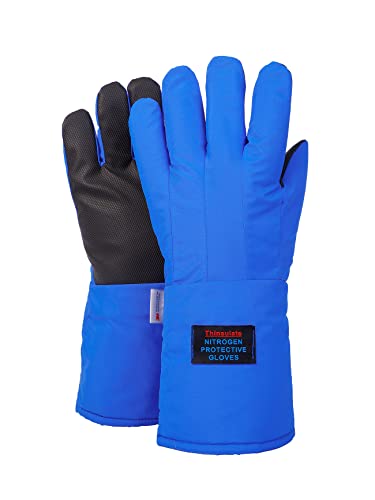
Best for: users needing a versatile mid-arm glove with layered protection. These gloves resist temperatures as low as -196°C/-320°F and offer a four-layer design, including a waterproof outer layer and breathable inner lining. This makes them suitable for both LN2 and dry ice handling, with multiple length options to tailor fit.
Caution: The outer waterproof layer may require careful drying to prevent moisture buildup after use.
Inf-way Cryogenic Gloves 15″ Mid Arm

Best for: mid-arm LN2 work with a balance of protection and flexible movement. Features include a three-layer structure with Nylon Taslan and PTFE, plus a breathable inner lining. The glove lengths span Wrist to Shoulder options, enabling a secure fit for various tasks in cold storage environments.
Limitation: Some users may prefer additional padding for extended wear during repetitive tasks.
CryoKing Cryogenic Gloves (14 in)
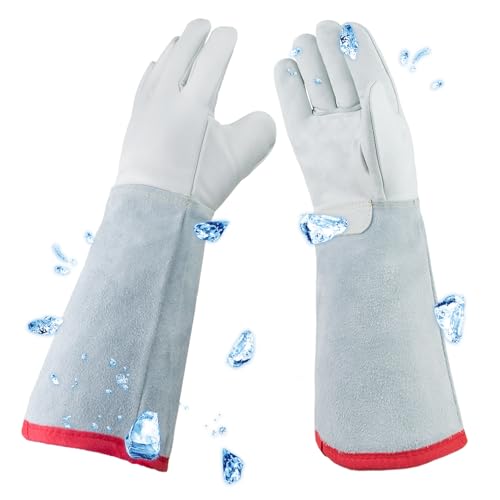
Best for: users needing a straightforward, durable 14-inch glove for freezer and LN2 related tasks. The gloves feature a leather-cotton mix for cold endurance and a reinforced wrist to extend wear life. This option is well-suited for environments where resistance to frostbite and wear is critical.
Limitation: It is a single length option; may not fit all arm configurations equally well.
Sindayo Cryogenic Gloves

Best for: compact glove design for precise handling in LN2 and dry ice tasks. The 10-inch gauntlet provides essential coverage for hands and wrists while preserving dexterity. The design emphasizes extreme thermal protection in a lighter format, suitable for confined spaces and frequent manipulation of containers.
Limitation: Shorter length offers less forearm protection compared to elbow-length models; consider task requirements carefully.
Buying Guide: How To Choose Cryogenic Gloves For Liquid Nitrogen
- Temperature rating: Match the glove’s rated range to your typical LN2 tasks. Some gloves protect down to -196°C, while others reach colder ranges. For glove use in long sessions, prioritize higher insulation and moisture management.
- Arm length and fit: Mid-arm vs elbow-length affects coverage and dexterity. Choose a length that protects wrists and forearms without sacrificing grip control for vial handling and valve operation.
- Materials and layers: Leather provides durability; synthetic shells can add waterproofing. Multi-layer designs with breathable inner linings increase comfort during extended wear and reduce sweating.
- Durability vs dexterity: Heavier gloves offer better frost protection but may hinder fine motor tasks. Consider your typical movements, such as pouring, pouring, or valve adjustments, when selecting.
- Care and storage: Look for gloves with easy drying and dry storage recommendations to extend life. Proper storage reduces material degradation from humidity and moisture exposure.
FAQ
- What temperature rating do I need for LN2 work? Answer: For typical LN2 handling, aim for gloves rated to at least -196°C (-320°F); higher ratings provide extra safety for extended exposure.
- Are leather gloves better than synthetic for cryogenic use? Answer: Leather offers durable wear and abrasion resistance, while multi-layer synthetics may provide better waterproofing and cooling comfort; choose based on task and humidity.
- Should I choose elbow-length or mid-arm gloves? Answer: Elbow-length gloves offer more forearm protection; mid-arm gloves provide greater dexterity for precise handling in tight spaces.
- How should I care for cryogenic gloves? Answer: Dry gloves thoroughly after use, store in a dry, ventilated area, and inspect seams for wear before reuse.
- Can I wear regular gloves under cryogenic gloves for extra warmth? Answer: Under-layers can increase warmth but may reduce tactile feedback; test for fit and dexterity before critical tasks.
- What is the best glove for frequent handling of small vials? Answer: A shorter, dexterity-focused glove like Sindayo may be preferred, provided forearm coverage meets safety requirements for your tasks.
Add a Comment