Direct answer: For reliable induction heating gear, consider compact hobbyist kits, professional bolt-removal kits, and high-power industrial units. This guide highlights five suitable options, each chosen for specific user needs—from repair technicians and automotive pros to metalworkers and hobbyists. The top picks suit: small-scale electronics work, automotive bolt removal, industrial metal heating, and high-precision heating tasks. Use the buying guide to compare core factors like power, coil configuration, safety features, and ease of use.
| Product | Brand | Best For |
|---|---|---|
| Chazcool Mini ZVS Induction Heater | Chazcool | Compact electronics heating and small parts |
| 1500W Induction Heater Bolt Removal Kit | Harsire | Automotive repair and stubborn bolts |
| 1500W Magnetic Induction Heater Tool | Harsire | Automotive and industrial fasteners |
| MINHUIJIHUI Induction Melting Furnace | MINHUIJIHUI | High-frequency metal heating and forging |
| Induction Heating Machine High Frequency Unit | GFXYQPDNV | Industrial heat treatment and quenching |
Notes for buyers: This article presents objective attributes, not opinions. Each product is described with its stated features, intended use cases, and a practical caveat to help you choose confidently. The buying guide at the end consolidates key considerations for buying induction heating equipment of varying scales and applications.
Chazcool Mini ZVS Low Voltage Induction Heater

Best for small electronics work and hobby projects. This compact kit operates on DC 5V-12V, with a mini ZVS board and a solderable heating coil. The included components must be correctly assembled and wired before use. The coil can be soldered to the PCB to minimize loose parts during projects. Suitable for tight workspaces where a low-profile heater is advantageous. Caution: low-voltage operation limits total heating power; ensure proper insulation and avoid overheating delicate components.
1500W Induction Heater Bolt Removal Kit

Best for automotive repairs and stubborn fasteners. This 1500W kit uses eight coils to remove rusted bolts quickly, often within 25 seconds, without open flames or sparks. It includes a heavy-duty aluminum case for portability and durability. Suitable for professional shops and serious DIYers who need reliable heat for seized fasteners. Caution: high power requires careful handling near flammable materials and should be used following safety guidelines to avoid damage to nearby components.
1500W Magnetic Induction Heater Tool

Best for universal bolt removal across varied projects. Like the bolt kit above, this tool emphasizes 25-second heating and an eight-coil configuration to tackle rusted bolts, nuts, and bearings. It highlights ergonomic design and portability, making it suitable for fieldwork or shop use. Caution: ensure the tool is used away from sensitive electronics and avoid overheating any overheated components that could crack or warp surrounding metal parts.
MINHUIJIHUI Induction Melting Furnace
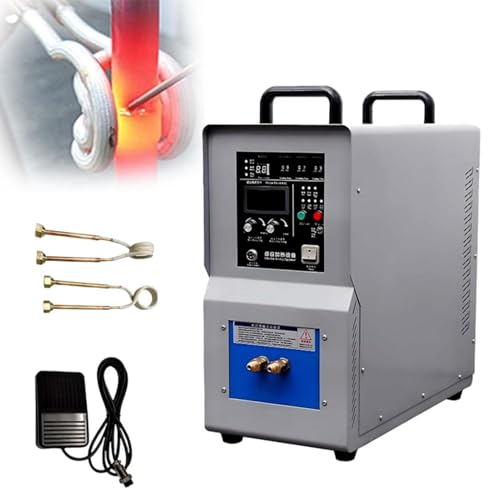
Best for high-frequency metal heating, forging, and brazing with quick-start usability. This furnace supports a wide range (40°C–2000°C) and uses advanced drive technology with variable frequency regulation. It emphasizes dual regulation (constant current and constant power) to optimize heating efficiency. Caution: the unit requires proper water cooling and safe handling practices when operating near hot workpieces to prevent burns or equipment damage.
GFXYQPDNV Induction Heating Machine

Best for continuous industrial heat treatment and quenching tasks. This high-frequency unit emphasizes high efficiency, low energy consumption, and robust protection features, including load fault and overheating safeguards. It supports easy setup and straightforward operation with a simple knob to adjust heating. Caution: designed for experienced operators; follow all safety and maintenance guidelines to prevent heat-related injuries or equipment faults.
Buying Guide: Key Considerations for Induction Heating Equipment
What power level do you need? For small parts and hobby work, 5V-12V hobbyist units are often sufficient. Automotive and repair tasks usually benefit from higher wattage (1000W–1500W) and multi-coil arrangements. Industrial applications demand high-frequency, multi-channel units with cooling and protective systems.
What coil configuration matters? Coil count and geometry determine heat distribution and work envelope. More coils can handle complex geometries and larger fasteners, but require careful setup and calibration.
What safety features are essential? Look for overheat protection, cooling systems, overcurrent/overvoltage indicators, and protective enclosures. Built-in indicators help technicians monitor real-time status and prevent damage to delicate components.
How easy is setup and operation? Some units start without preheating, while others require precise assembly and wiring. Operators should consider training needs, especially for higher-powered equipment used in industrial settings.
How portable should the device be? For fieldwork or chassis work, portability matters. Kits with carrying cases and compact form factors are advantageous for technicians on the move.
What maintenance is required? Regular inspection of coils, cables, and cooling fans prevents overheating and extends life. Units with automatic cooling are typically more user-friendly for multi-job days.
FAQ
- What is induction heating primarily used for? It uses electromagnetic energy to heat metal parts quickly, without open flames, for tasks such as bolt removal, forging, brazing, and heat treatment.
- Is higher wattage always better? Higher wattage provides faster heating and can handle larger parts, but requires appropriate cooling and safer handling; choose wattage to match your typical workpieces.
- Do I need special training to use these devices? Basic to intermediate training is recommended, especially for high-power industrial units, to ensure safe operation and proper coil setup.
- Can these tools damage sensitive components? Yes if misused. Always verify conductive paths, avoid overheating nearby components, and follow manufacturer guidelines.
- Which induction heater is best for DIY projects? A compact, low-voltage kit with clear assembly instructions is typically best for beginners and hobbyists.
- What maintenance tips maximize tool life? Regularly inspect coils and cables, ensure cooling fans operate, and store tools in protective cases to prevent coil damage and moisture exposure.
Add a Comment