Answering the need for reliable, heat resistant turnout gear options, this guide compares top-performing firefighter garments and containment gear designed to withstand high heat, direct flame exposure, and harsh environments. It helps buyers choose gear suited to structural firefighting, urban rescue, and high-temperature industrial work. The featured products range from full turnout suits to resilient jackets and pants, plus a heat-tight gear bag for contaminated equipment. The focus is on ensuring protection, durability, and practical use in the line of duty. A quick summary table follows to aid quick comparisons.
Product Comparison Summary
- Lightning X Carcinogen & Off-Gassing Resistant Gear Bag — best for decontamination workflow and containment between washings.
- AmpsafeX EN469 Certified Kevlar Firefighter Suit — best for professional structural firefighting and high-temperature scenarios.
- SafeGuardian Turnout Gear Jacket/Pants (Black, 3XL) — best for NFPA 1971 compliant, moisture and chemical barrier protection.
- SafeGuardian Turnout Gear Jacket/Pants (Black, Medium) — good balance of protection and fit for active duty.
- SafeGuardian Turnout Gear Jacket/Pants (Yellow/Tan, Medium) — visibility and barrier protection with durable shell.
- AmpsafeX Flame Resistant Turnout Gear with Reflective Strips (two color options, M) — best for high visibility and full-body protection.
- AmpsafeX Flame Resistant Turnout Gear with Reflective Strips (orange, M) — alternative color for visibility in different environments.
- AmpsafeX Turnout Gear with Reflective Strip Jacket & Bib Pants (Large) — extended coverage and visibility for structural scenarios.
Lightning X Gear Bag: Heat-Welded, Airtight Carrier
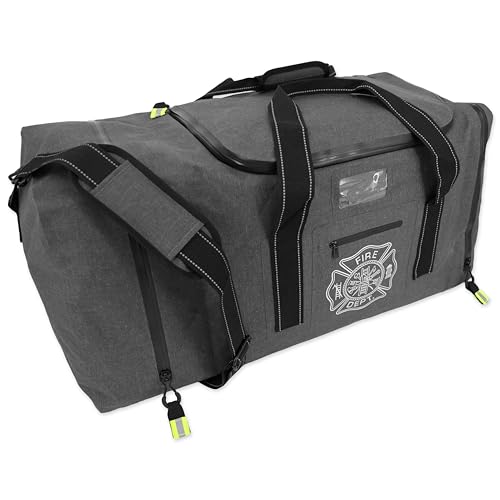
The Lightning X bag is designed for containment rather than protection, but its heat welded seams and airtight TPU construction reduce exposure to carcinogens and off-gassing from contaminated turnout gear. Best for responders who need a reliable way to seal gear between wash cycles without losing air and water resistance. It’s a clear choice for station gear upkeep and contamination control, reducing the risk of continued exposure during transport.
Who it’s best for: firefighters and chiefs prioritizing containment, sanitation workflows, and station turnover processes. The bag’s limitations include not providing firefighting protection; it is a containment solution rather than a protective garment. Consider this bag if you routinely station-clean gear and want a watertight, air-tight option.
AmpsafeX EN469 Certified Kevlar Firefighter Suit (M)

This full-body turnout suit targets professional structural firefighting and hazardous environments. It emphasizes multi-layer protection to guard against flame burns, high-temperature radiant heat, sparks, and daily abrasion risks. The suit is designed to adapt to high-stress scenarios, making it a solid choice for responders facing prolonged exposure to heat and flames. It’s best for professionals who need durable, effective insulation and fire resistance in demanding operations.
Who it’s best for: trained firefighters and industrial responders requiring comprehensive protection and abrasion resistance. Limitation: precise sizing and compatibility details are not stated here, so verify fit and layering needs before purchase.
SafeGuardian Turnout Gear Jacket/Pants (Black, 3XL)
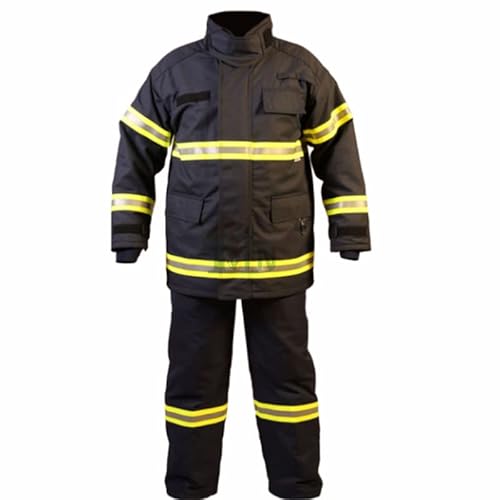
SafeGuardian’s NFPA 1971 compliant gear offers a moisture and chemical barrier along with a durable outer shell. The inclusion of a Kevlar and Nomex blend helps resist direct flame and radiant heat while maintaining dryness and contaminant protection. This set is well-suited for fire scenes with chemical exposure or wet environments. A potential limitation is the need to confirm exact protective levels across sizes and layering options for optimal comfort.
Who it’s best for: responders who require a robust barrier to moisture and chemicals and a compliant, durable shell. Choose this if protection against both heat and contaminants is a priority, and you need reliable gear at a mid-large size.
SafeGuardian Turnout Gear Jacket/Pants (Black, Medium)
This SafeGuardian option mirrors NFPA 1971 standards with a moisture- and chemical-barrier system and a durable outer shell. It’s aimed at firefighters who need reliable warmth, heat protection, and barrier performance in variable environments. The medium size makes it suitable for a broad range of body types, balancing mobility and coverage. Limitation: the exact thermal protection rating is not disclosed here, requiring sizing and performance checks before purchase.
Who it’s best for: fire teams needing a protective, barrier-focused turnout gear in a versatile size range. Best when paired with appropriate underlayers for comfort and warmth on longer assignments.
SafeGuardian Turnout Gear Jacket/Pants (Yellow/Tan, Medium)

This SafeGuardian set emphasizes visible color for situational awareness while delivering a moisture and chemical barrier, plus a flame-resistant outer shell. The medium size suits everyday wear for many responders engaged in varied drills and real-world calls. Better for visibility in crowded or low-light settings; potential limitation is color choice may not suit all station uniforms or signaling requirements.
Who it’s best for: teams needing high visibility along with reliable heat and chemical protection. Choose this if you value conspicuity without compromising protection levels.
AmpsafeX Flame Resistant Gear With Reflective Strips (Black, M)

Designed for full-body flame and heat protection, this AmpsafeX set integrates reflective strips for enhanced visibility. It’s suitable for structural firefighting and high-temperature environments where visibility is critical during night operations or in smoky settings. A caution: color is black, which may show soot and stains more readily, requiring more frequent cleaning to maintain appearance and morale.
Who it’s best for: responders needing comprehensive flame resistance with added reflective safety features. Choose this for high-risk environments where visibility and protection are both important.
AmpsafeX Flame Resistant Turnout Gear (Orange, M)

Orange-colored turnout gear with reflective strips focuses on high visibility alongside flame and heat protection. The combination supports rescue missions and structural fires in low-visibility environments. A potential limitation is color choice; while orange is highly visible, it may not coordinate with all department gear schemes. Still, it delivers strong protective features for daily use.
Who it’s best for: crews prioritizing visibility in challenging settings. Choose this if you want a bright, easily spotted option without sacrificing flame resistance.
AmpsafeX Turnout Gear Jacket & Bib Pants (L)

This large-size turnout gear set aims to provide full-body protection with reflective strips for visibility. It’s well-suited for taller or broader-framed responders who require complete coverage and durable thermally insulated fabric. Limitation: buyers should verify exact measurements and overlap with station-specific layering systems to ensure a proper fit.
Who it’s best for: larger responders or teams that require extra coverage and extended wear during long operations. Choose this for fit flexibility and reliable protection in demanding environments.
Buying Guide: Key Considerations For Heat Resistant Turnout Gear
- Protection Level: Look for NFPA 1971 compliance and multi-layer insulation for structural firefighting and high-temperature tasks.
- Material & Barrier: Kevlar, Nomex blends provide flame resistance; moisture and chemical barriers help in wet or contaminated scenes.
- Visibility: Reflective strips and color choices improve safety in smoky or low-light conditions.
- Fit & Sizing: Ensure accurate sizing for mobility and layering; consider tall or plus sizes if needed for proper protection and comfort.
- Durability: Heat resistant seams, reinforced knees and elbows, and abrasion resistance extend gear life in harsh environments.
- Maintenance & Care: Some gear favors easy washing and chemical-neutralizing steps; plan for station decontamination workflows.
- Containment vs. Protection: Differentiate gear designed to contain contaminants from gear designed to protect against heat and flame.
Frequently Asked Questions
- What does NFPA 1971 compliance mean for turnout gear?
It indicates the gear meets standardized protective performance requirements for structural firefighting gear. - Why choose gear with reflective strips?
Reflective strips improve visibility in smoke, at night, or in low-light conditions, increasing safety during operations. - Are heat-welded seams more durable than stitched seams?
Heat-welded seams reduce leak paths and fatigue from stitching, offering a tighter seal and possibly longer life in demanding use. - Is a containment gear bag necessary if I already wear protective turnout gear?
A containment bag is valuable for decontamination workflows, helping minimize carcinogen exposure between washings. - How should I choose between black and bright color turnout gear?
Bright colors and reflective details improve visibility; black gear hides stains but can be less visible in smoke. - What should I verify before buying a larger size turnout jacket and pants?
Check overall mobility, reach, and how layering affects insulation and protection in your typical shifts.
Add a Comment